
Great Urban Design aligns competing priorities with a clear story and a coherent system, creating places where people thrive.
This portfolio reflects 20 years of continual learning, translating vision into sustainable, human-centered environments while strengthening teams and shared expertise along the way. The work brings architecture, urban design, planning, policy and delivery into alignment so that each reinforces a shared objective. The result is not simply problem-solving or strong design, but the creation of durable frameworks, systems and places that shape the future of cities.
My work is grounded in two connected disciplines, design leadership and management discipline.
The first is design leadership. I approach urban design, planning and architecture as an integrated process shaped by research, collaboration and inclusive design. Health, community and sustainability are not separate goals, but organizing principles that guide spatial strategy, client priorities, environmental performance and lived experience. Clear frameworks give design room to advance with purpose, translating regulatory realities, community needs and design ambition into cohesive urban form.
The second is management discipline. I approach projects as systems in which quality is built into the workflow from the beginning. Clear scopes, strong teams, iterative testing and disciplined communication reduce friction and strengthen outcomes. When expectations, schedules and resources are aligned early, teams can focus on meaningful design work while remaining accountable to clients and communities.
Beneath both is a commitment to continuous learning, shared expertise and training. Mentoring strengthens teams. Learning from the talents of others continually refines the work. That exchange of experience and curiosity elevates every project.
Establishing Direction
Spatial strategy begins by revealing the systems already in motion.
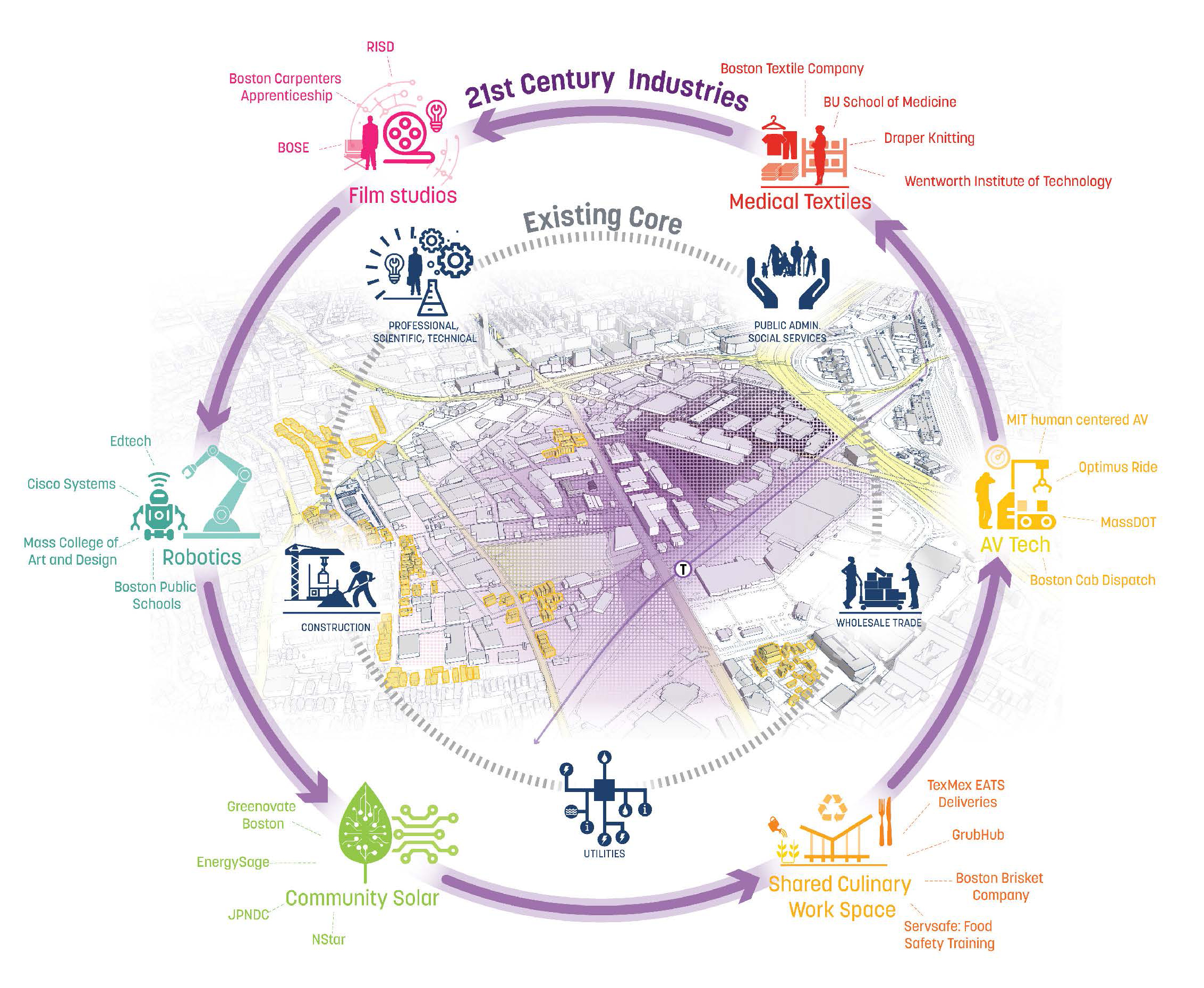
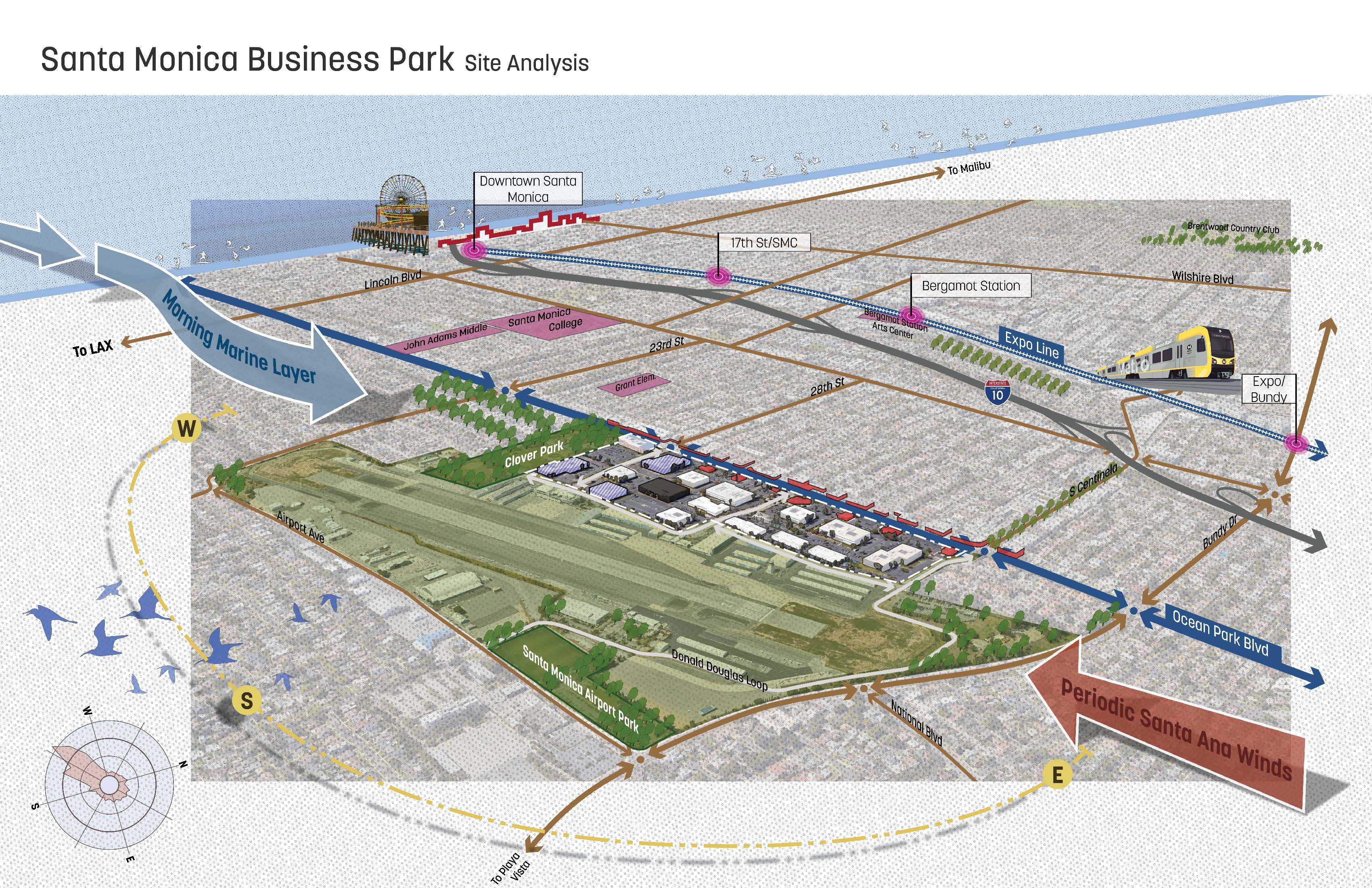
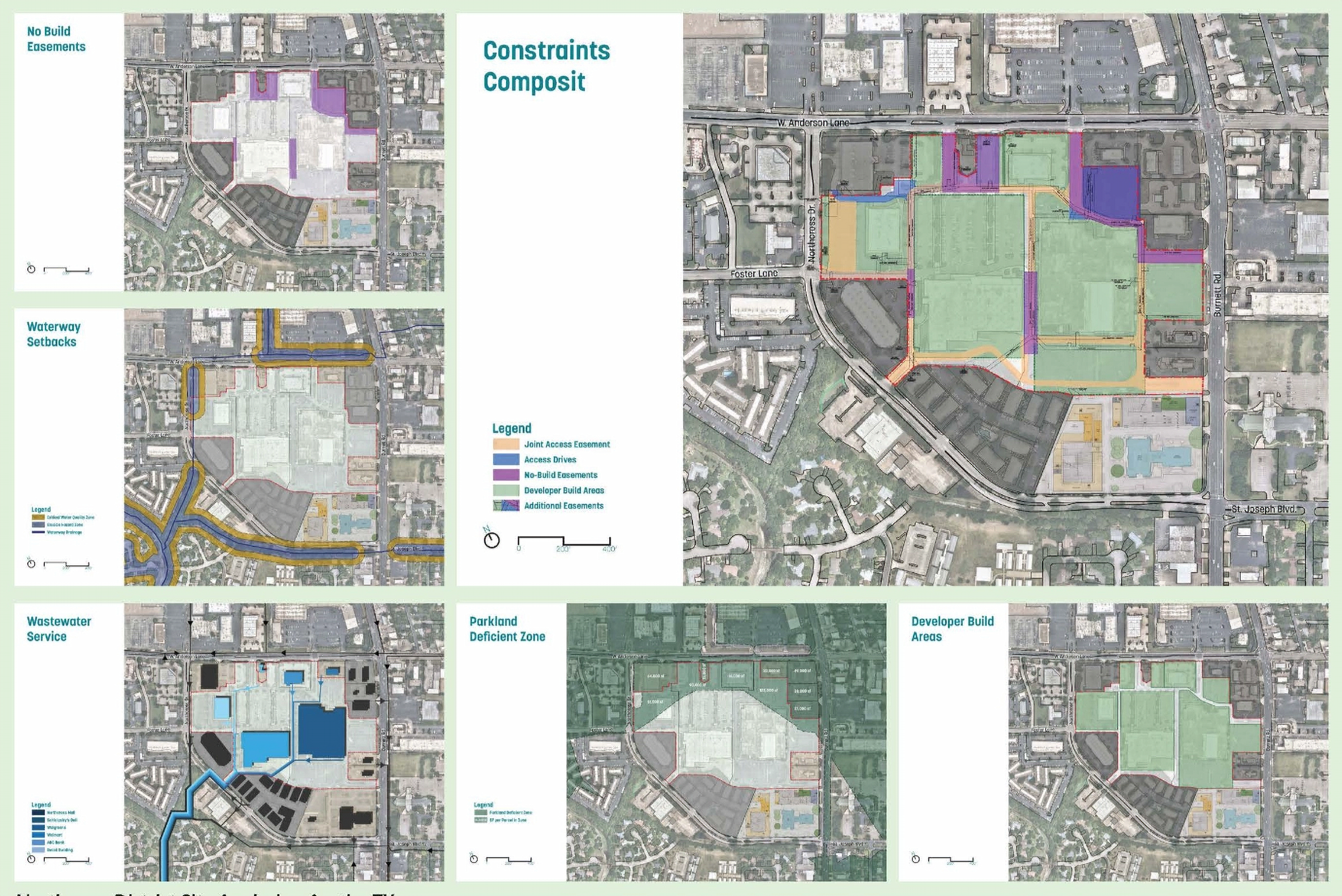
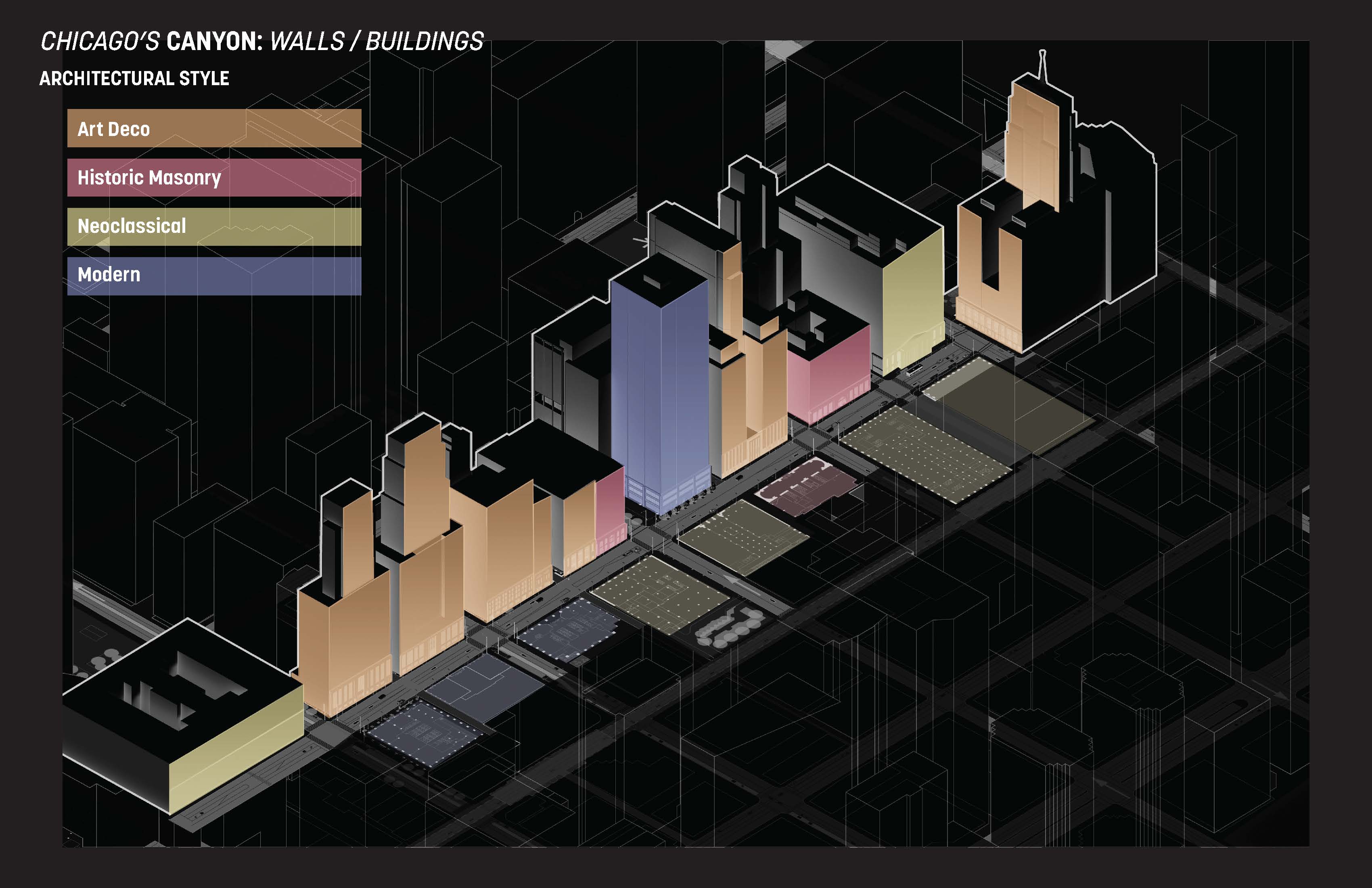
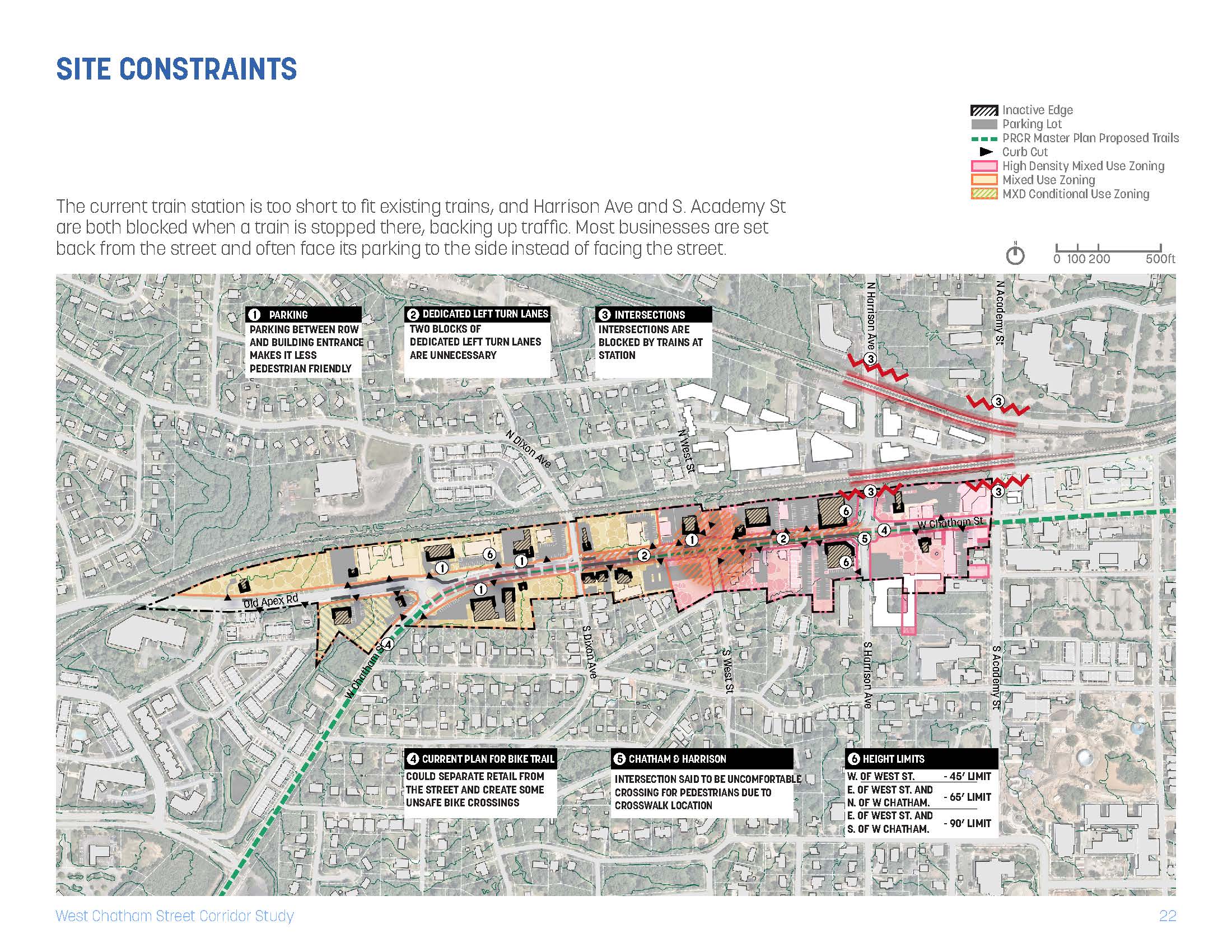
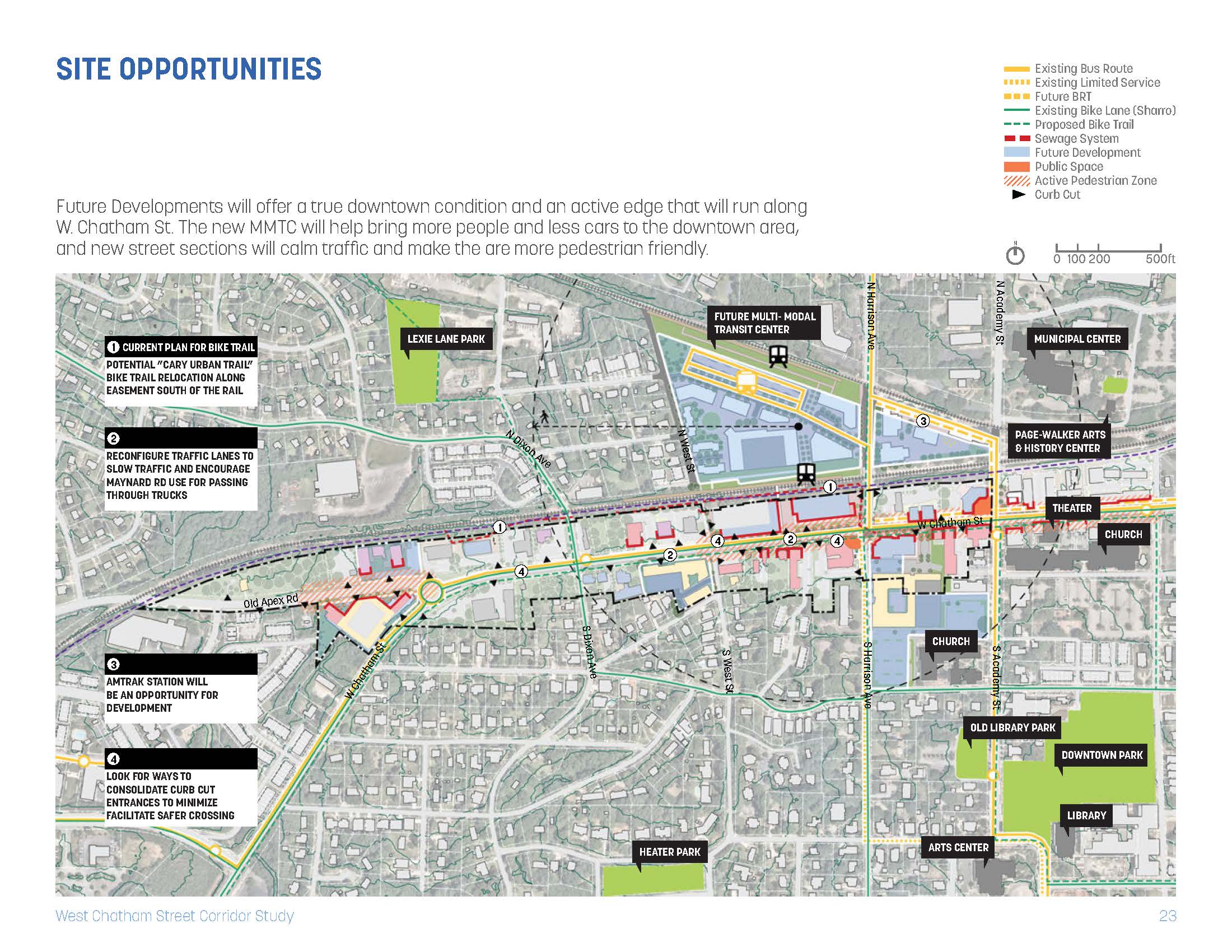
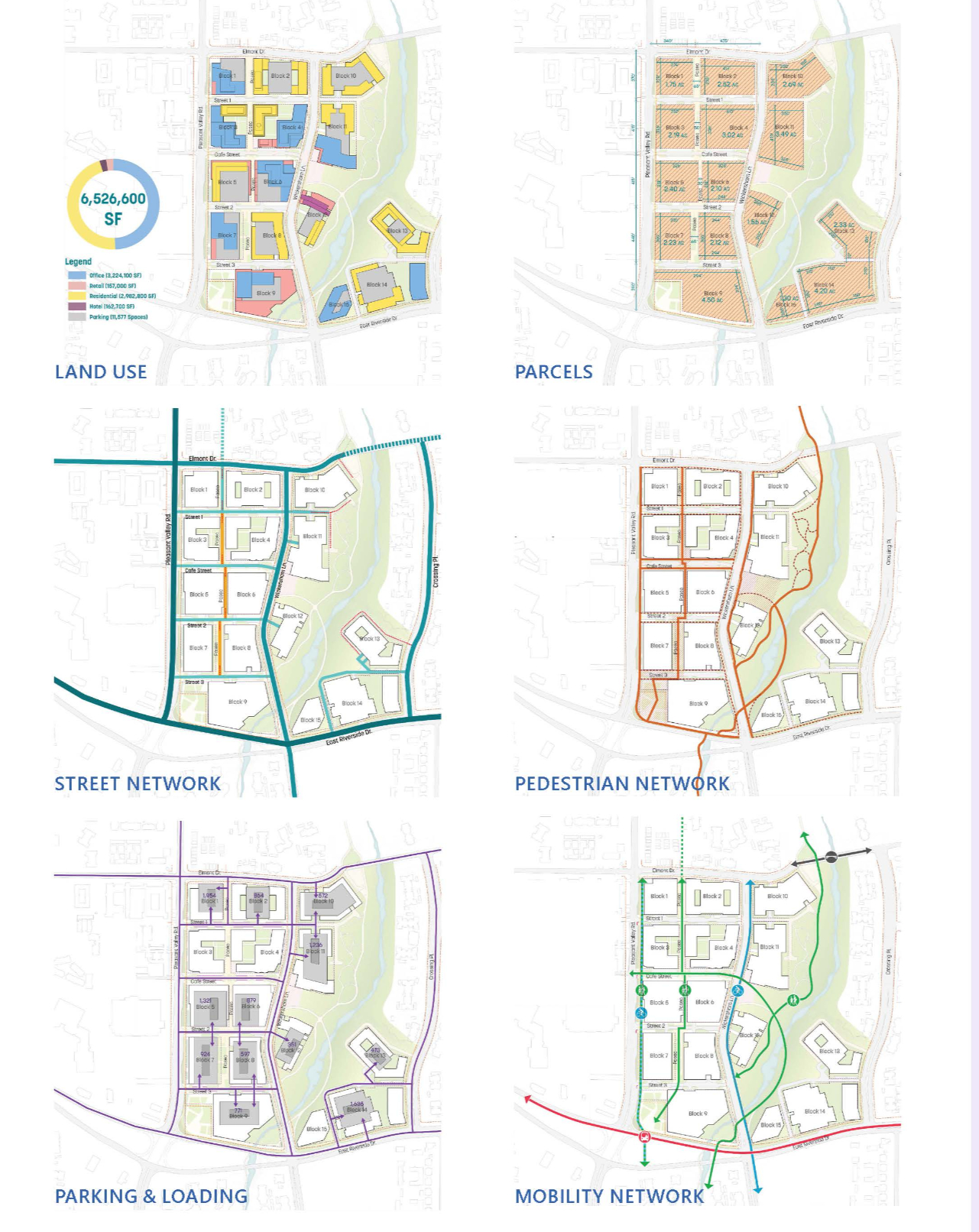
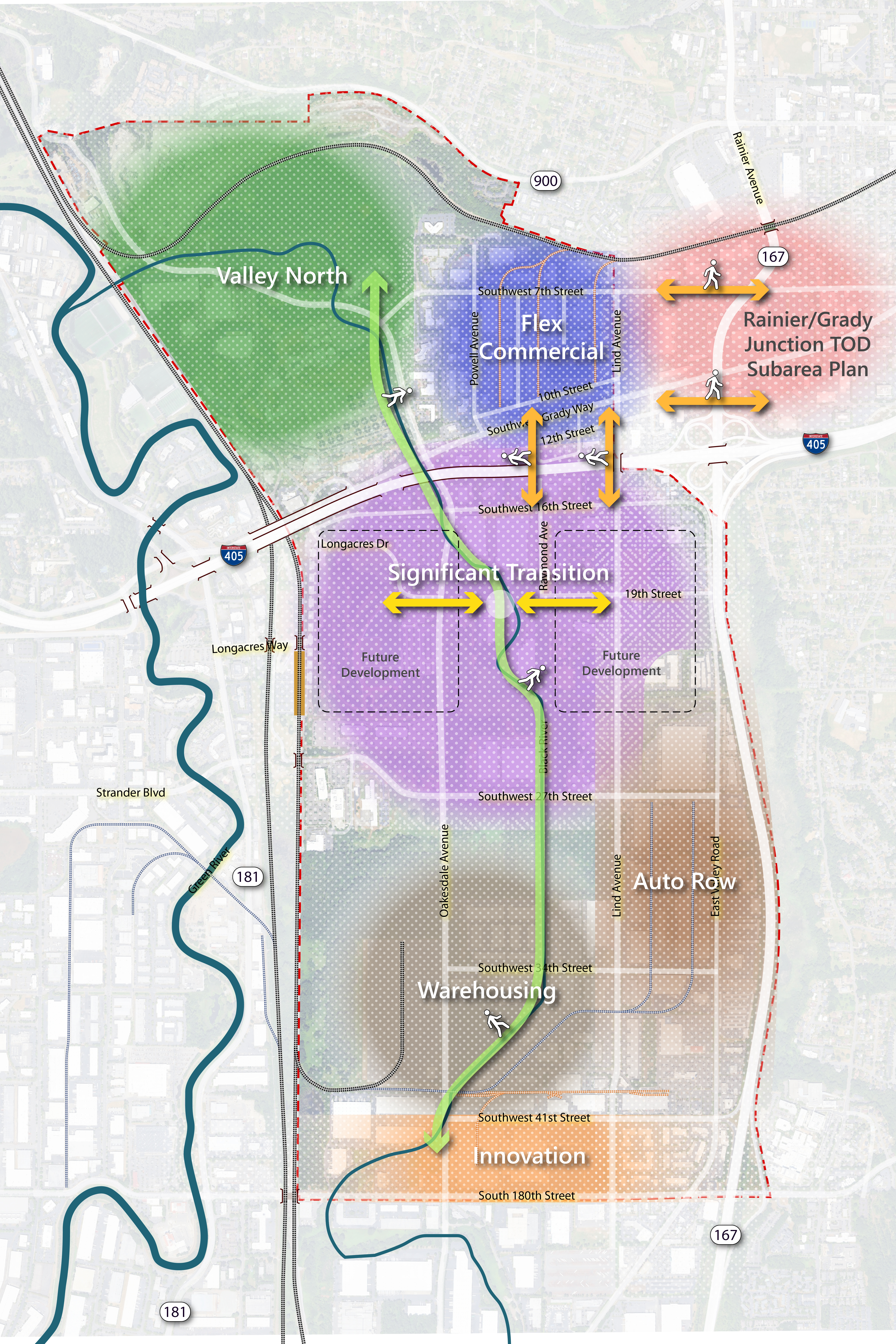
I begin each project by establishing a clear reading of spatial, regulatory, environmental, and social forces, defining the conditions that shape the project. Through layered visual overlays, these forces are clarified, often revealing the most logical and effective moves.
This approach grounds creative vision in evidence. By structuring analysis before design, decisions gain clarity, credibility, and durability. The result is work that responds to context with precision rather than imposing solutions without understanding.


The Big Idea
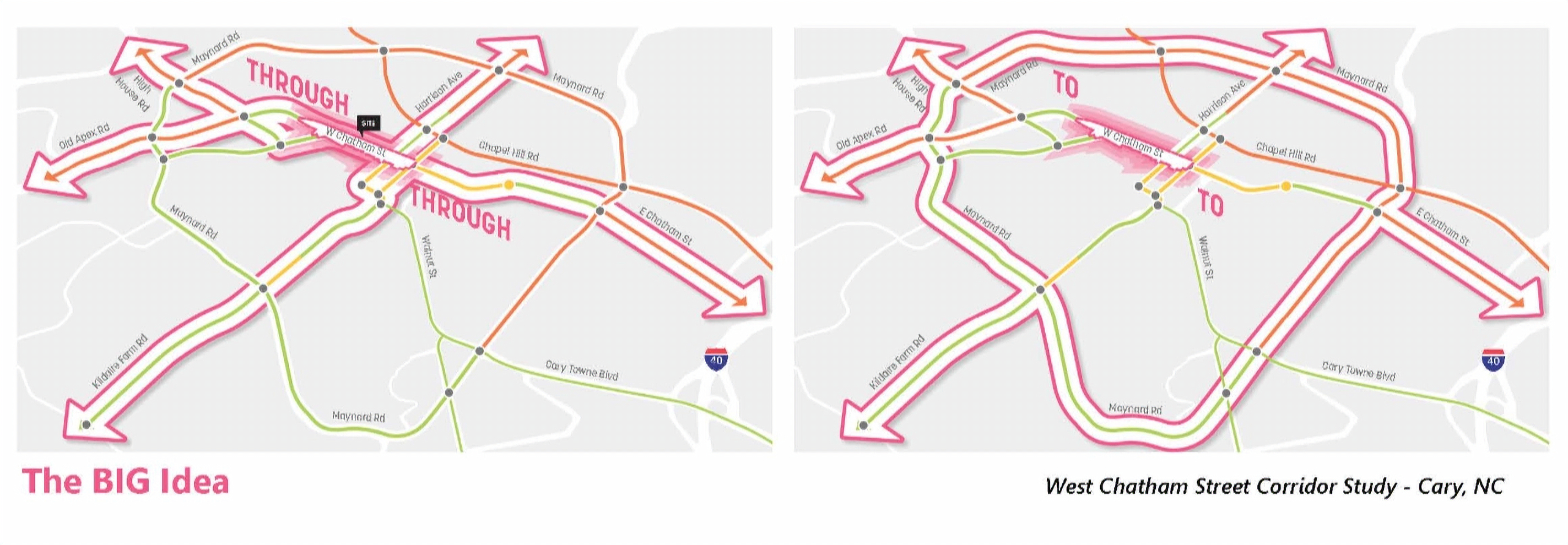
Strong urban design begins with a clear, big idea. My work focuses on shaping that big idea, translating a client’s vision that is expressive, sustainable, and feasible to implement. My experience as a licensed architect, urban designer, and planner allows me to balance multiple considerations simultaneously, producing solutions that are intuitive, comprehensive, and grounded in reality. Planning goals, site constraints, and stakeholder priorities are synthesized into direction that gives design teams room to be creative while maintaining feasibility.
I bring clarity to complex design problems by organizing land use, landscape, public space, mobility, and built form. Through mapping and diagramming, I identify how a project can be meaningfully stitched into its surrounding urban fabric. This creates a story that helps teams articulate intent, test form, and make confident moves.
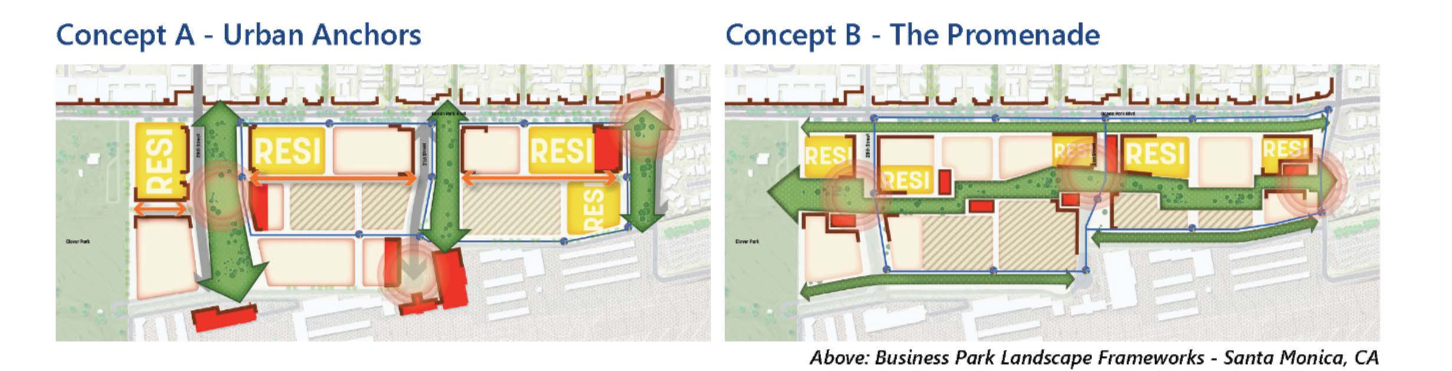
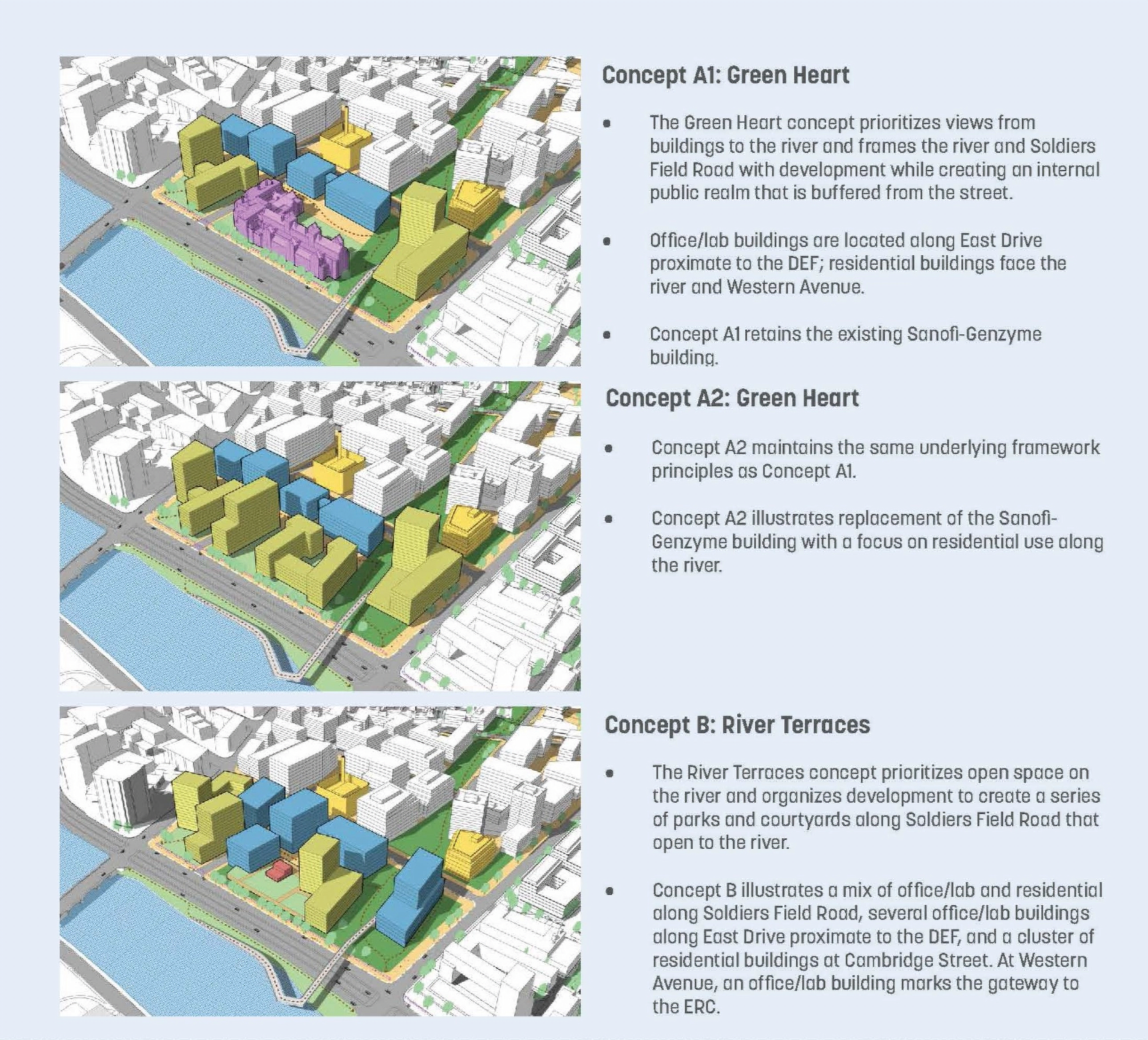
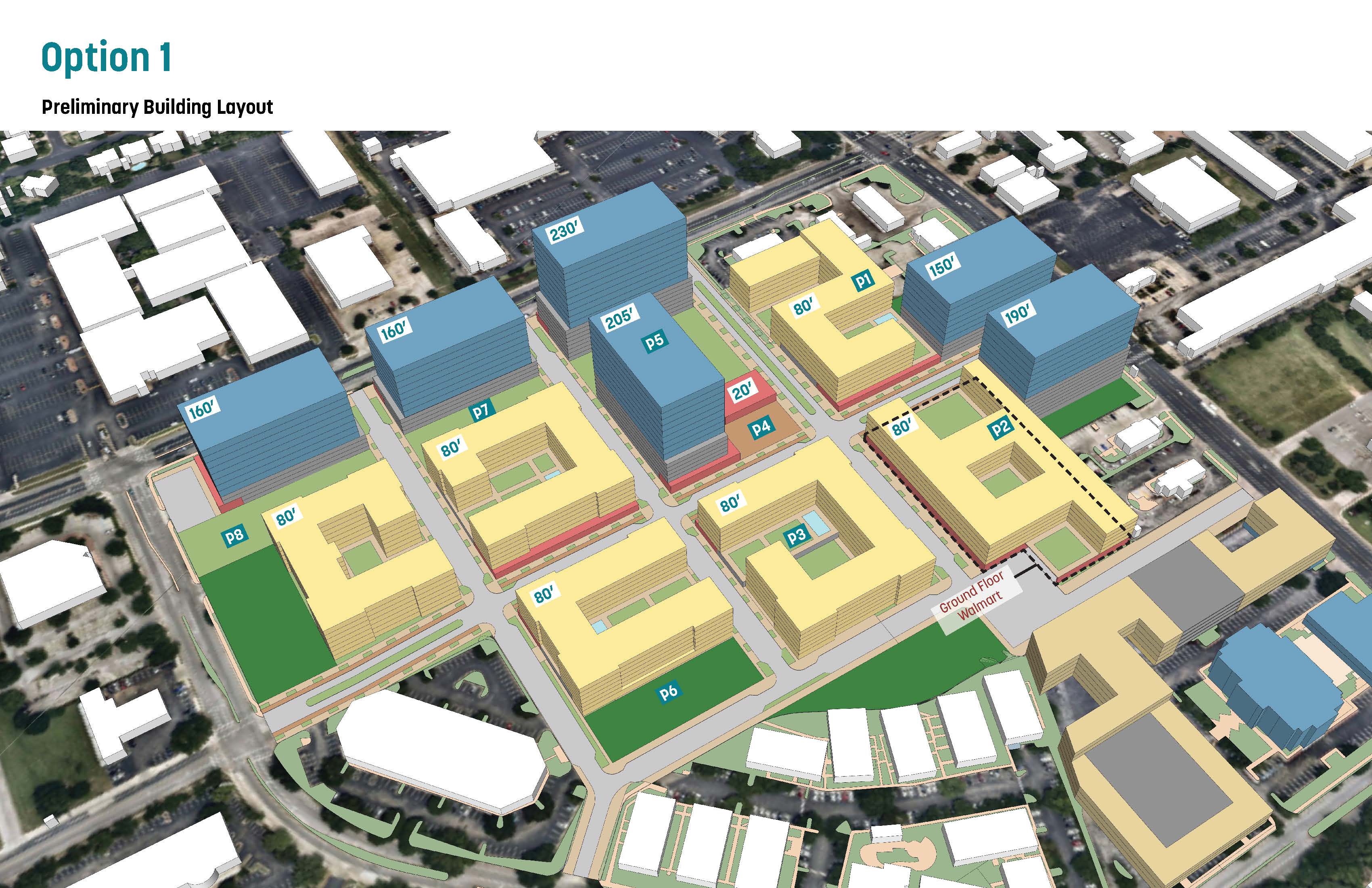
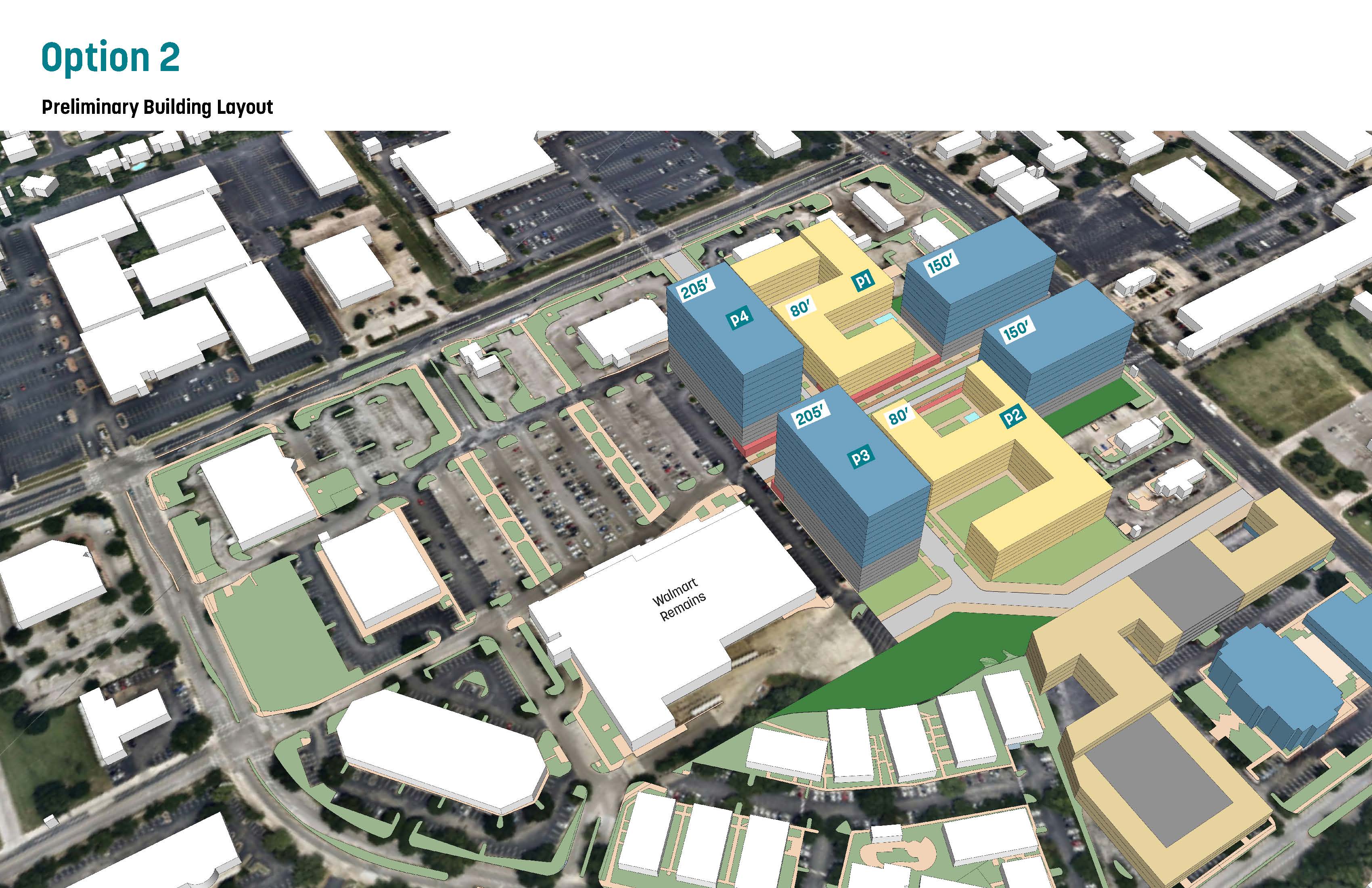
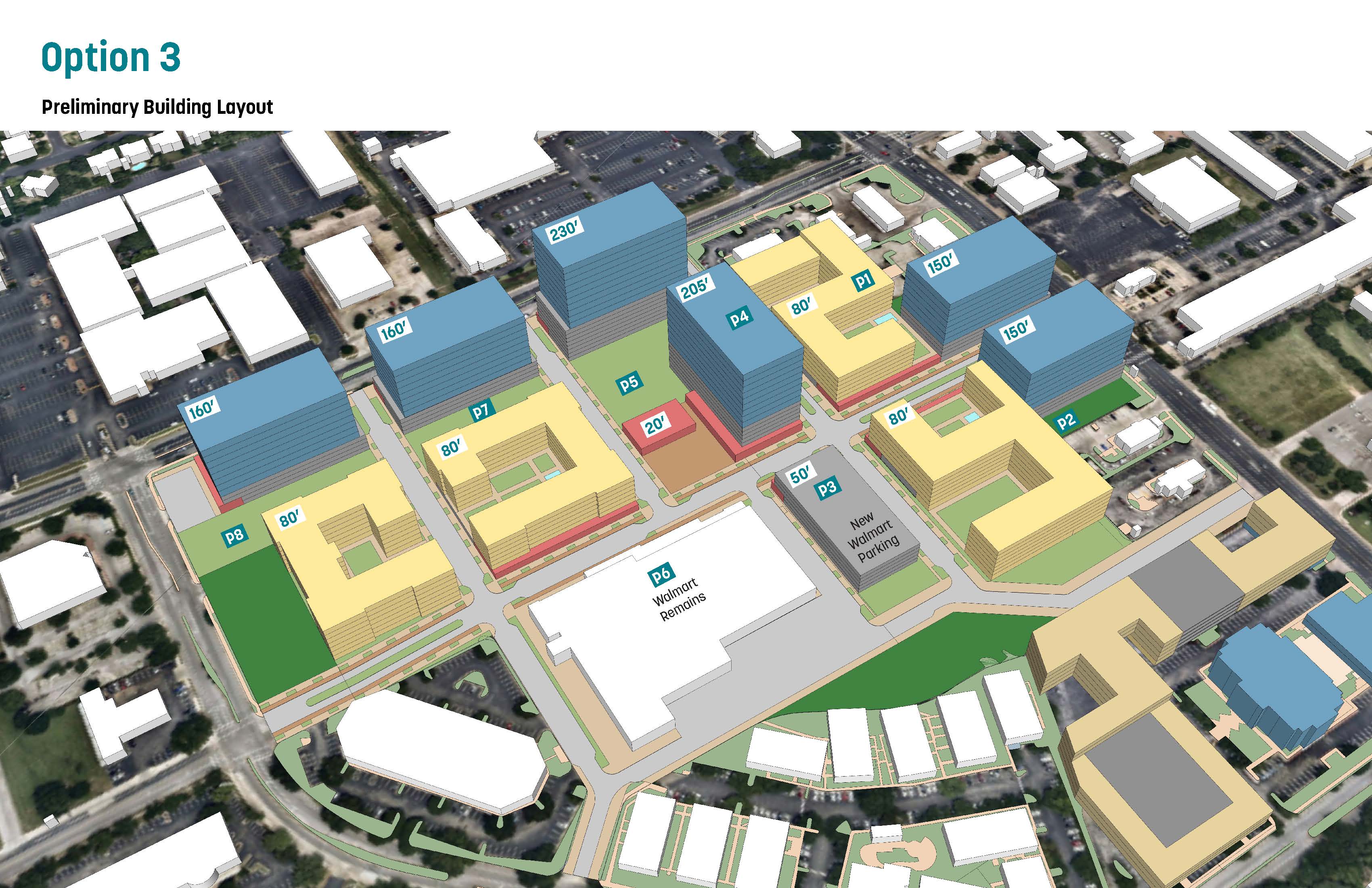
By developing and comparing multiple approaches to density, access, phasing, and public realm quality, I help teams understand implications and tradeoffs before committing to a single direction. Clear visualization supports productive discussion, sharpens design thinking, and builds alignment among clients, consultants, and internal teams.
My role often bridges planning and architecture, supporting continuity across scales and project phases. I provide enough structure to guide implementation while preserving flexibility to respond to market conditions, political realities, and evolving priorities. The result is visioning that strengthens design leadership, supports collaboration, and gives teams a logic they can carry forward with confidence.
Urban Design Visioning


Turning streets into places and public spaces into destinations.
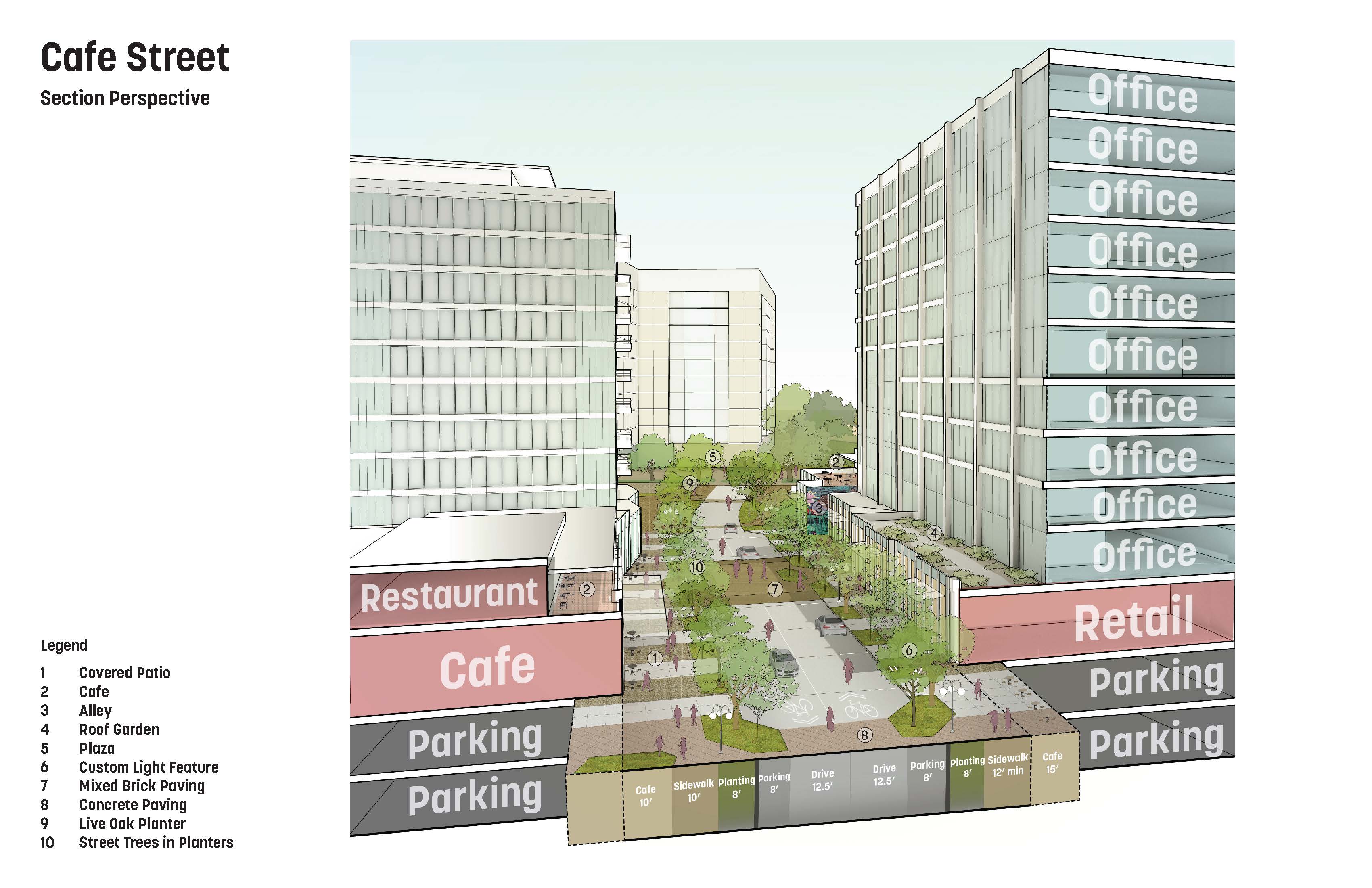
Streets and public spaces shape how cities are experienced every day. My work integrates movement, landscape, frontage, and open space into cohesive public realm systems that connect neighborhoods, activate ground levels, and support long-term urban change.
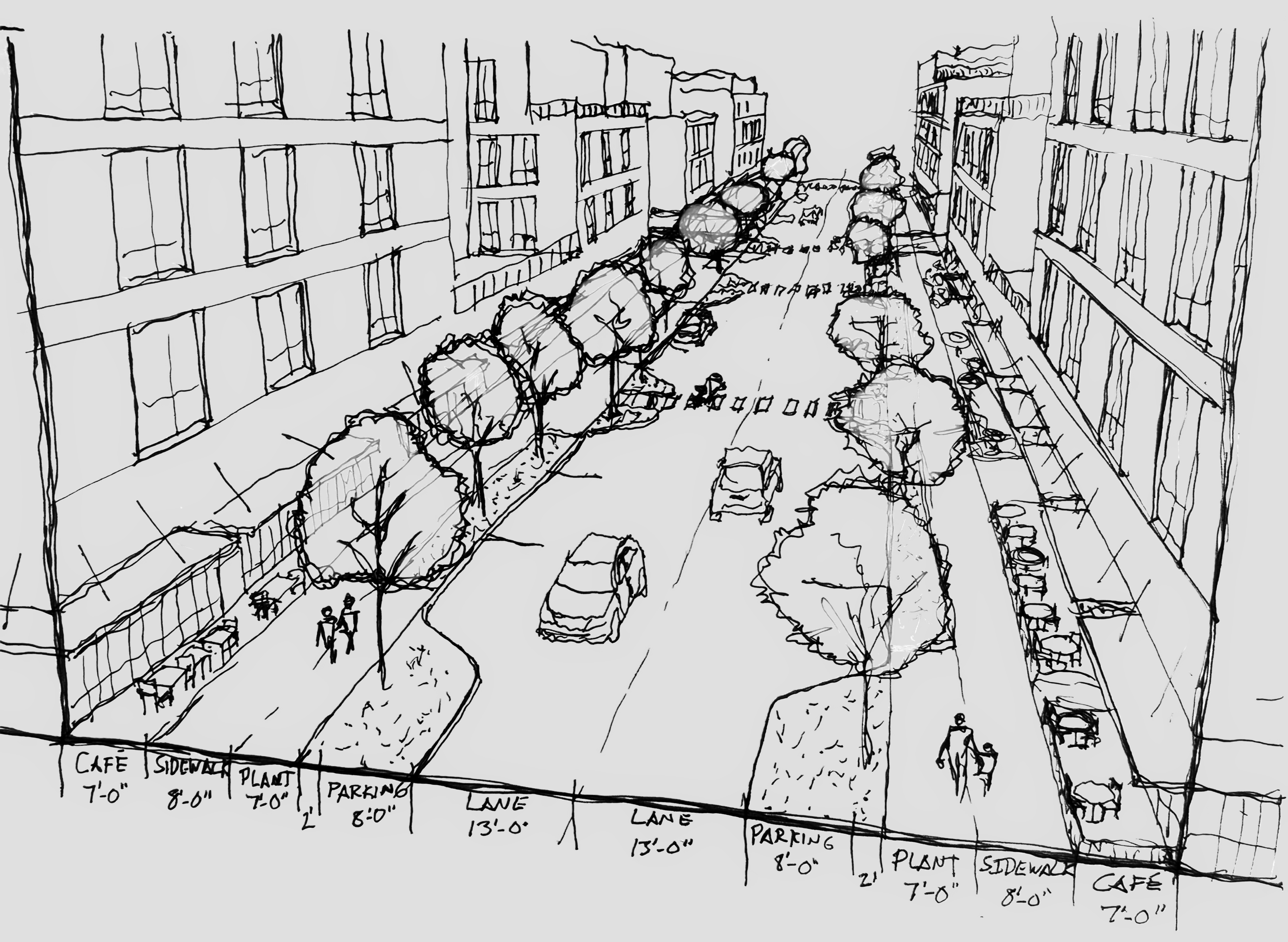
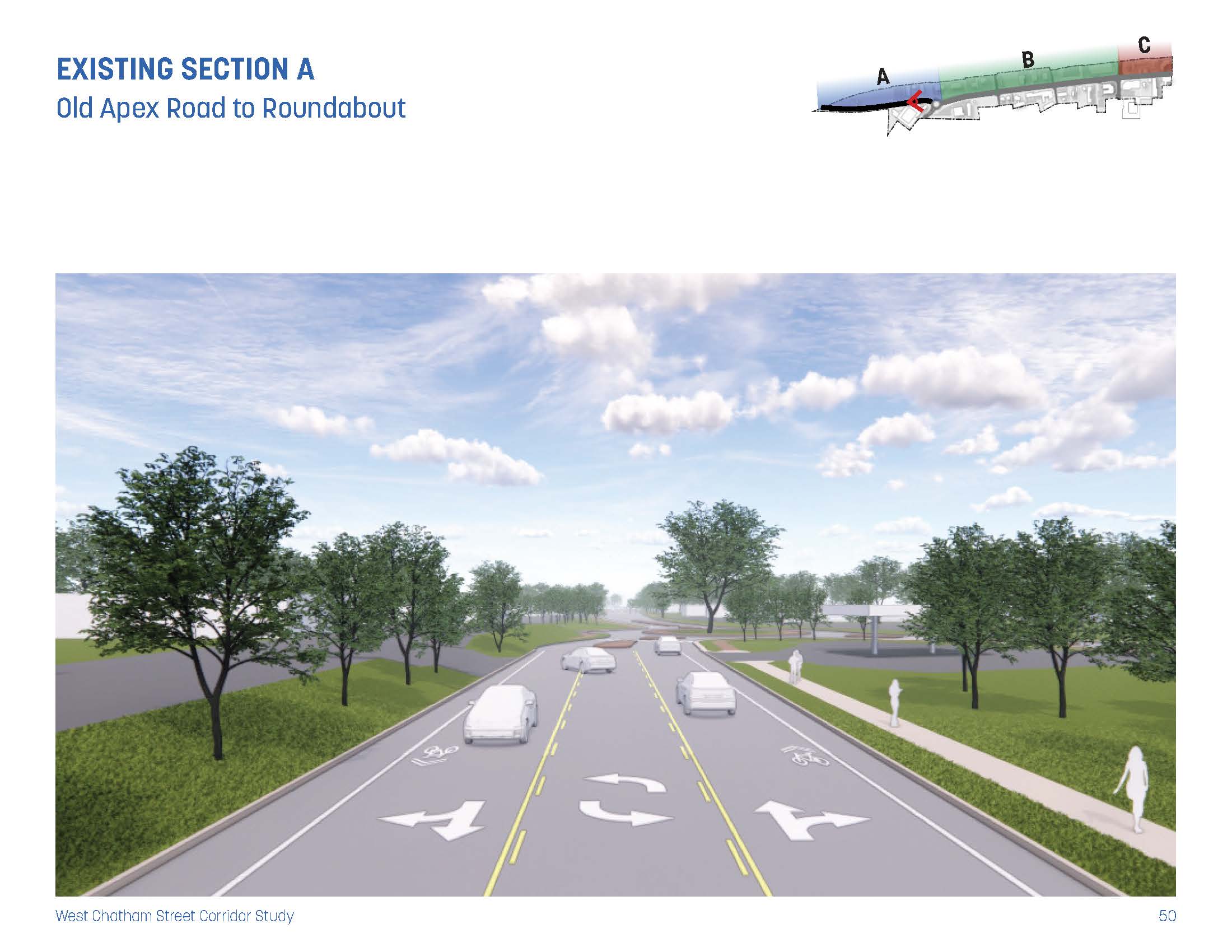
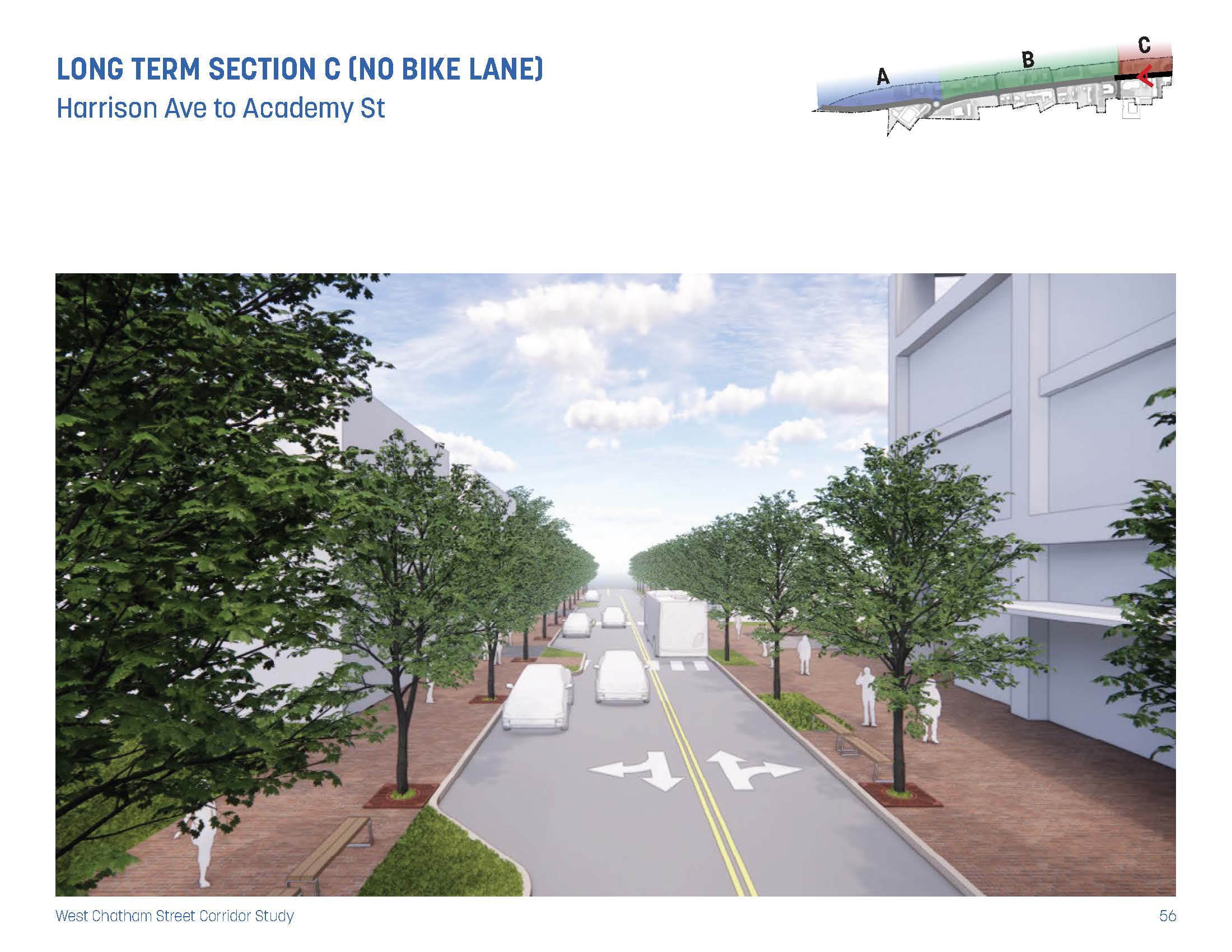
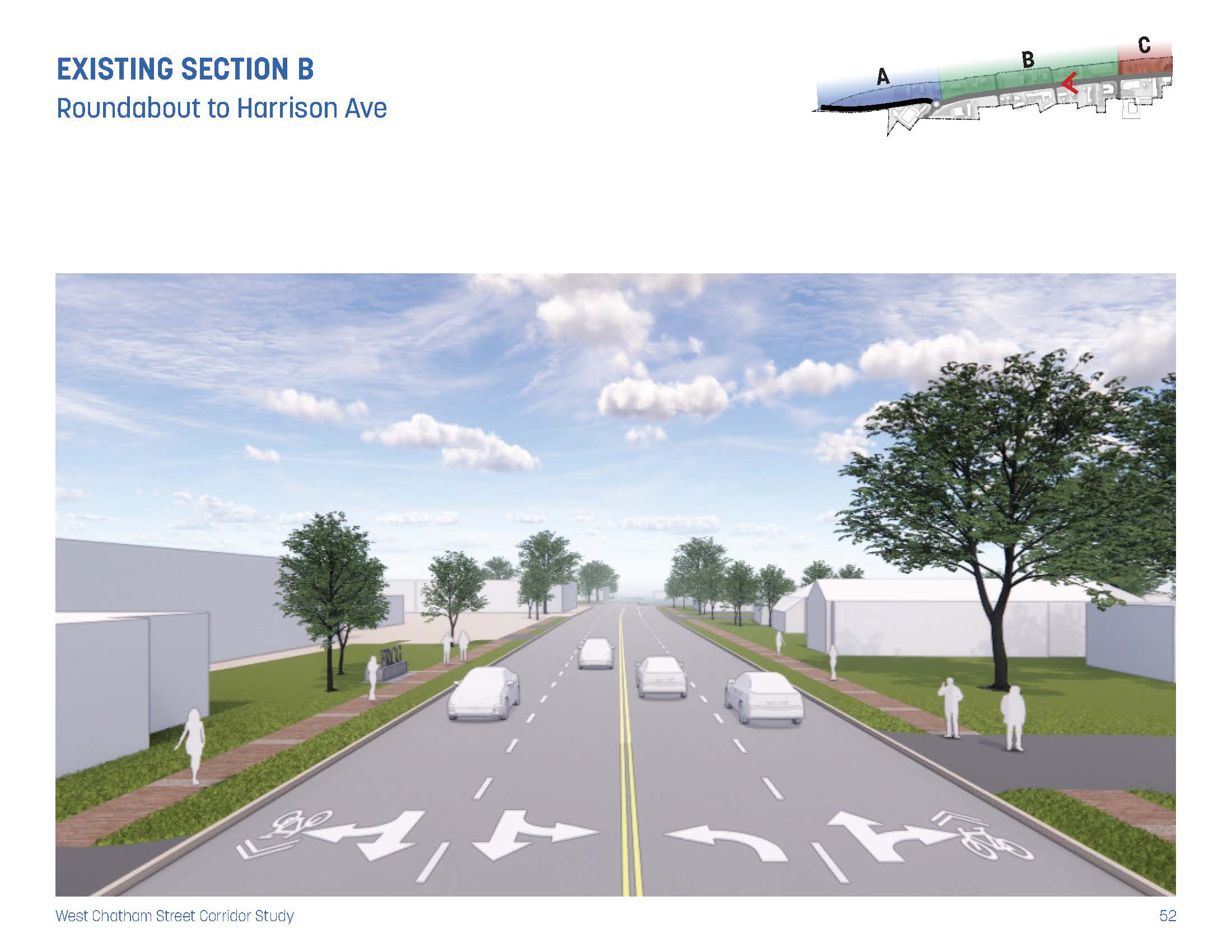
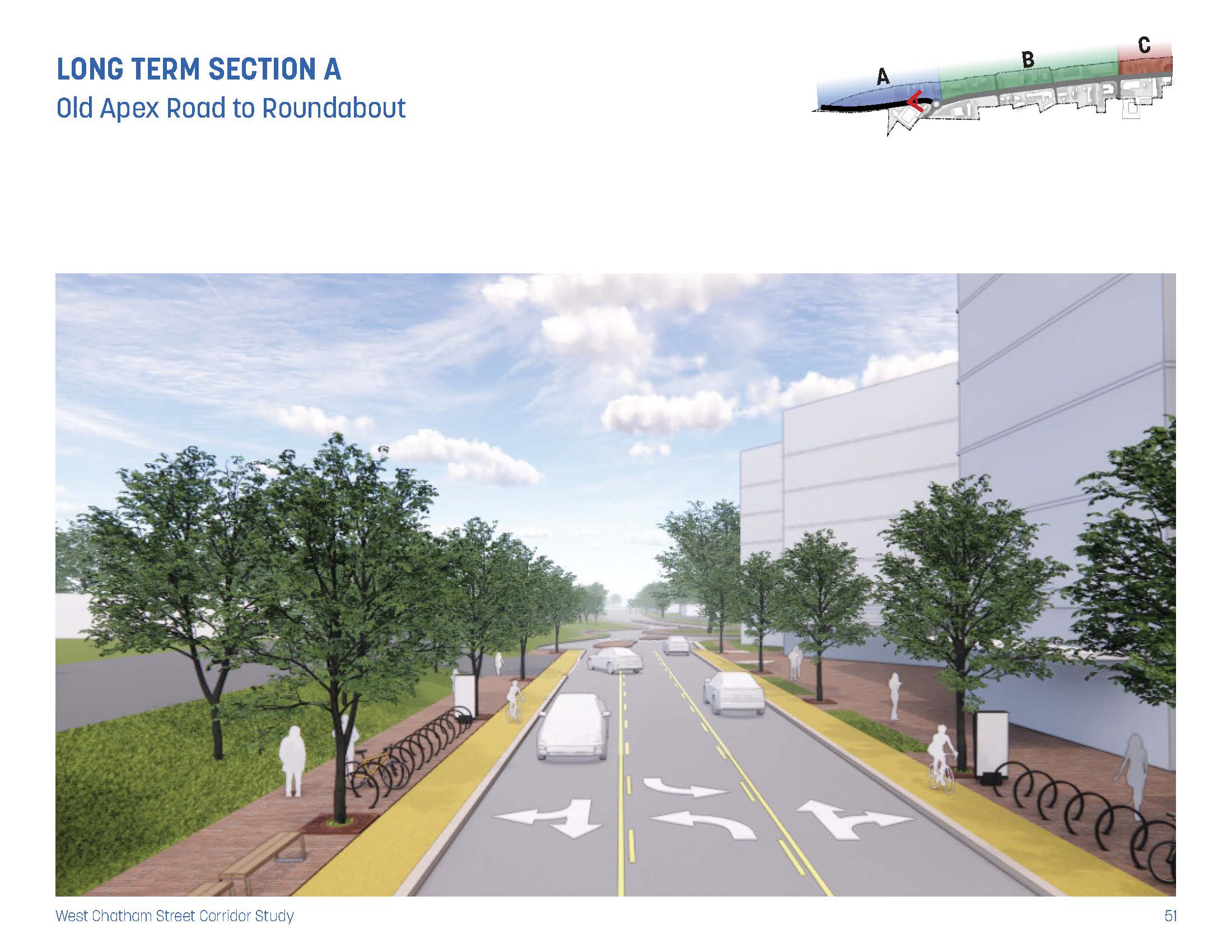
At the neighborhood and corridor scale, this work often focuses on transforming streets that prioritize vehicle movement into places that invite people to walk and engage. Strategies include rebalancing the right-of-way, strengthening edges and frontage conditions, and using landscape for traffic calming and safety, while maintaining access and functionality where required. Phasing is used deliberately, allowing targeted investments to create visible impact, build momentum, and encourage subsequent steps within a broader public realm vision.
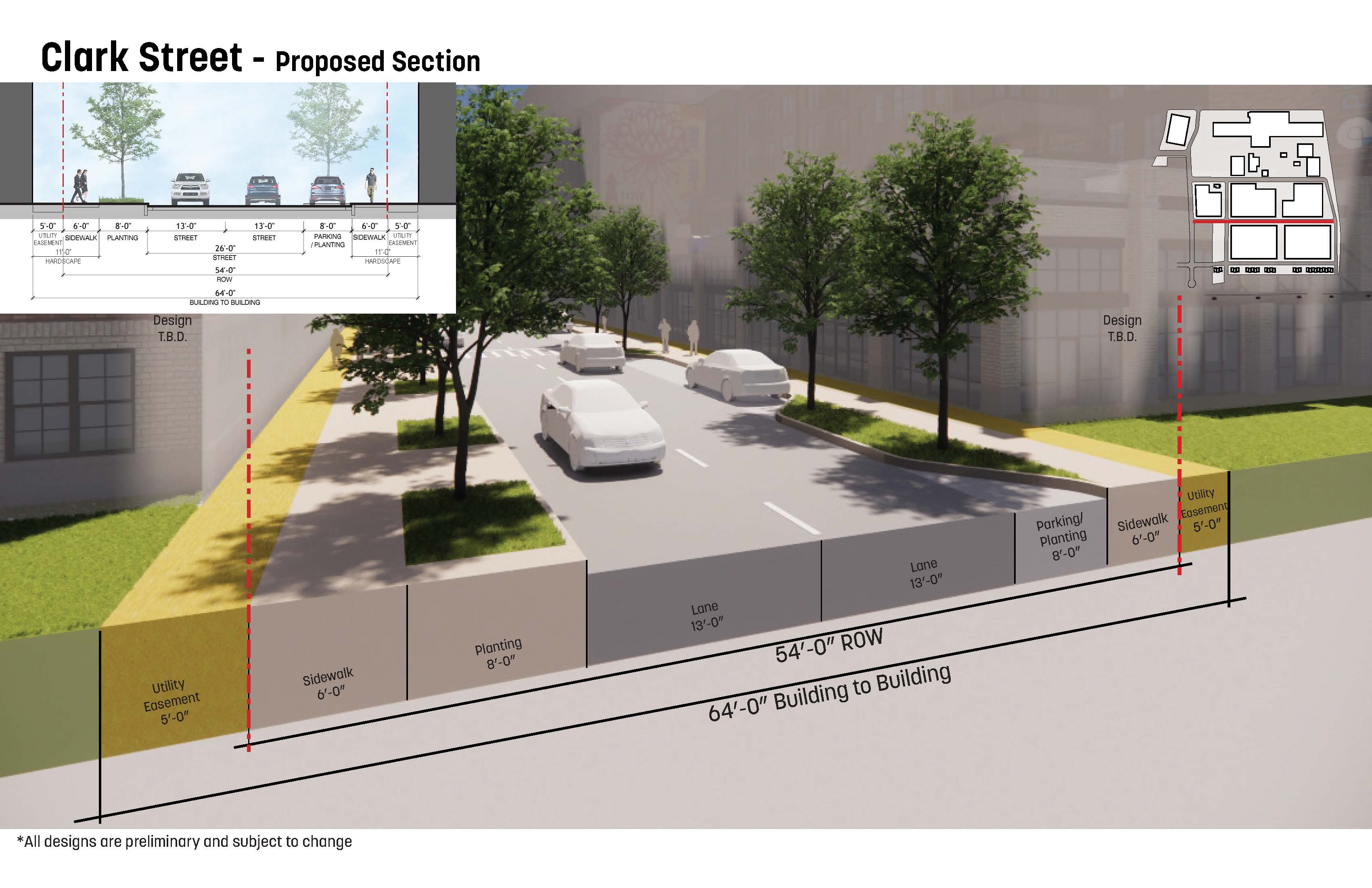
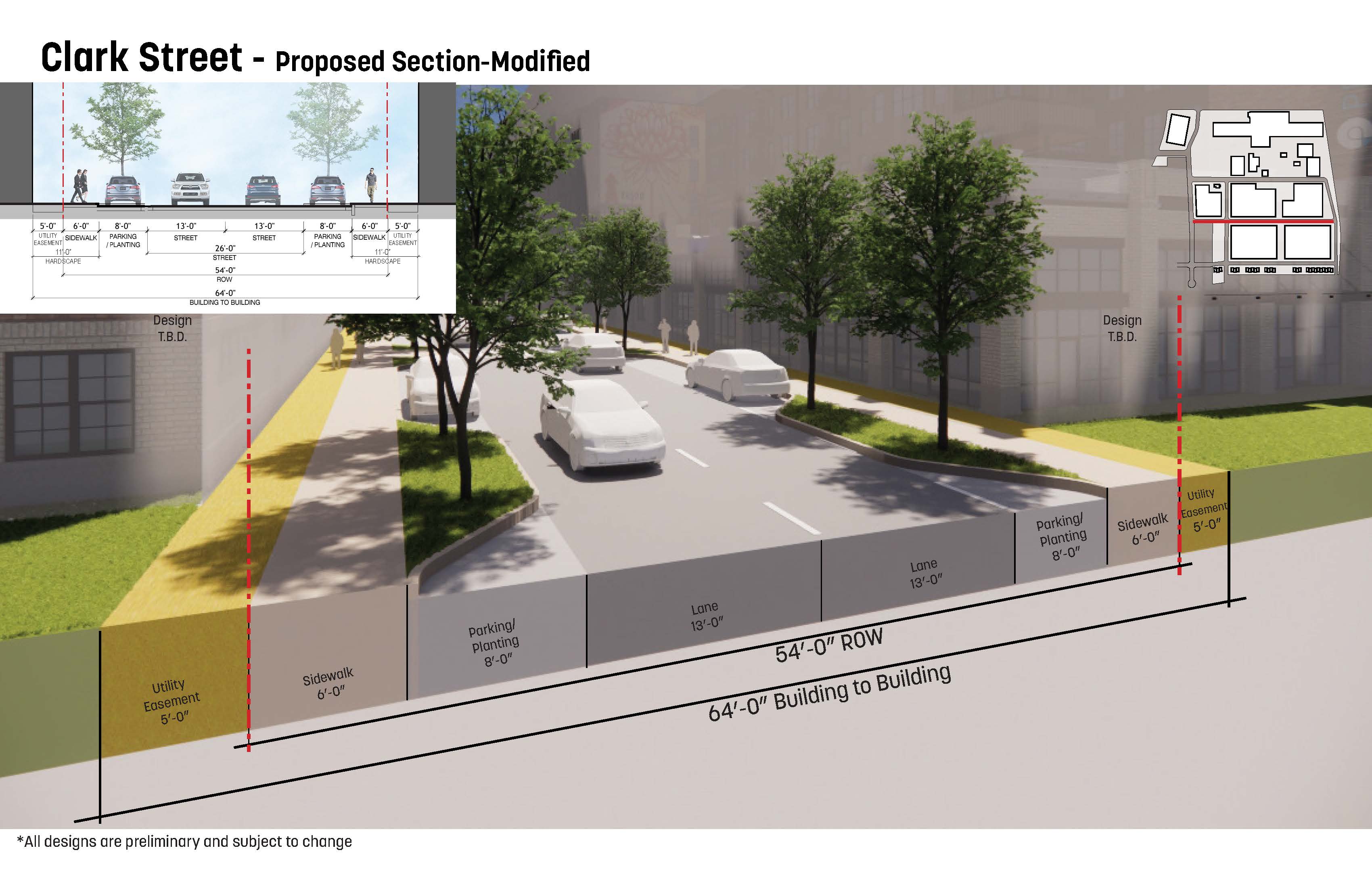
At the district and city scale, I translate public realm vision into clear, usable frameworks. Streetscape guides and design standards provide practical direction on street sections, planting, and curbside organization, supporting consistent implementation while accommodating variation across contexts. This type of work helps cities move from aspiration to execution, aligning design quality with constructibility, maintenance, and long-term performance.
Across all scales, my strength lies in integrating streets and open space into the surrounding urban fabric. Whether activating ground floors, developing multimodal street systems, or reshaping fast corridors into main streets, I bring together human experience and technical rigor to shape places that function well and feel right. The result is public realm work that is intentional, legible, and embedded in its context, supporting both immediate use and lasting transformation.
Public Realm & Streetscape


Turning policy into opportunity, clarity, and action.
Within my planning role, I frame policy as a design tool that sets direction early, reduces uncertainty, and enables projects to respond intelligently to local context and community needs. From 60,000 feet, city planning and zoning establish the conditions that shape every project, providing structure, clarity, and opportunity long before questions of program, form, or movement are resolved.
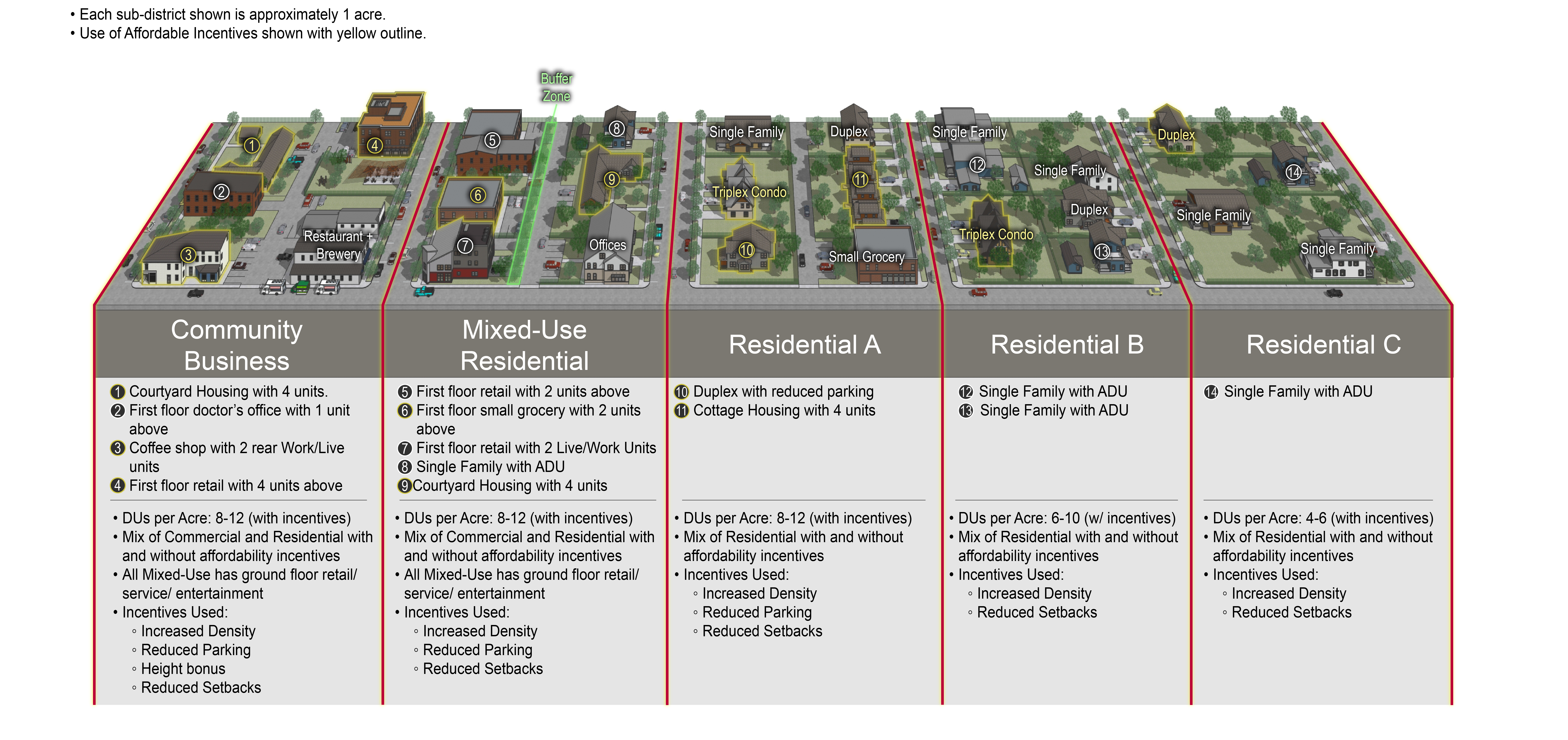
A core part of my work is translating policy, zoning, and regulatory intent into clear strategies for teams and clients. Comprehensive plans, subarea plans, and land use regulations become tools for alignment, clarifying what is required, what is flexible, and where meaningful design decisions can occur. I analyze and illustrate code incentives to understand how provisions interact in practice, often identifying conflicts or unintended outcomes that inform more effective amendments.
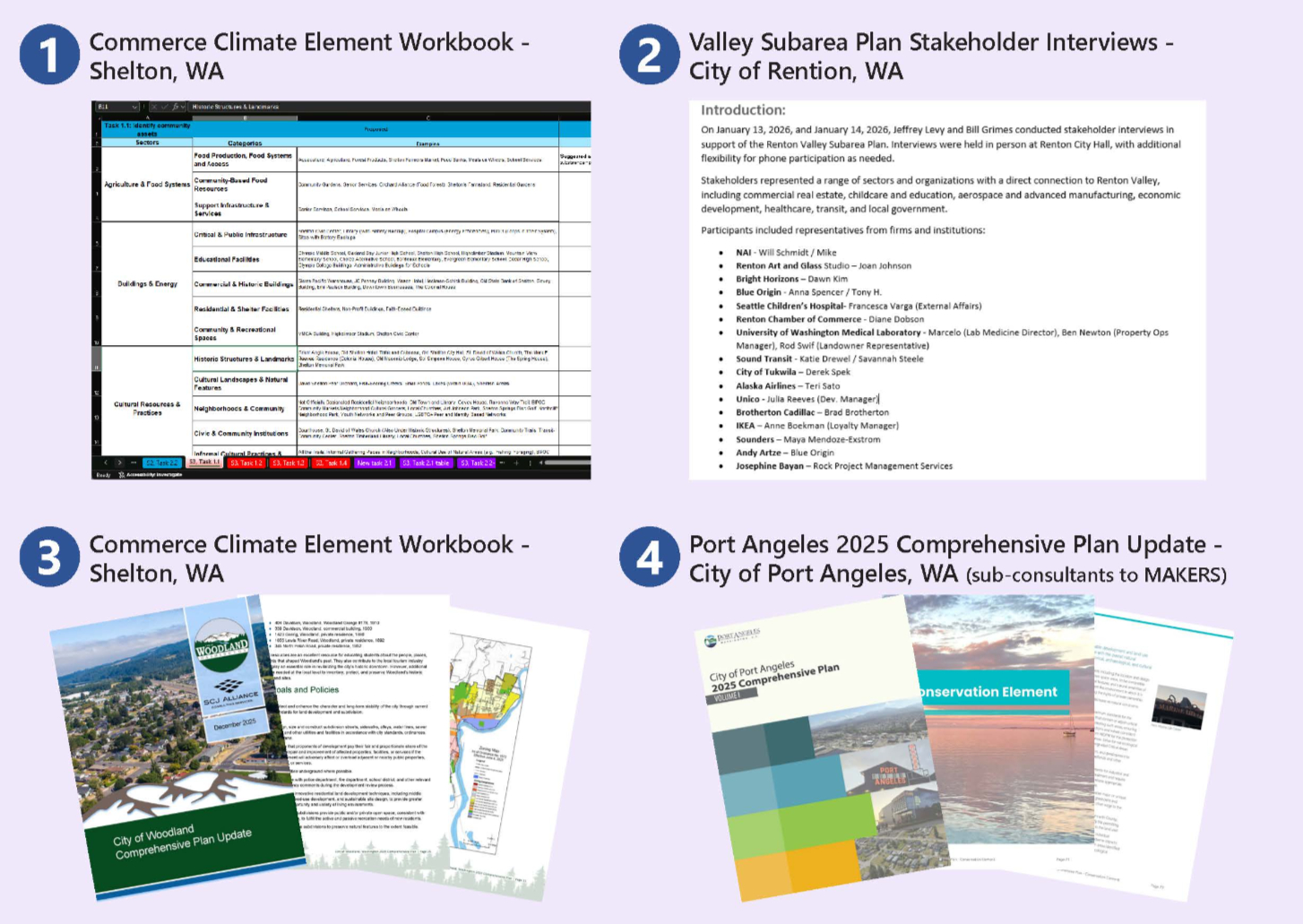
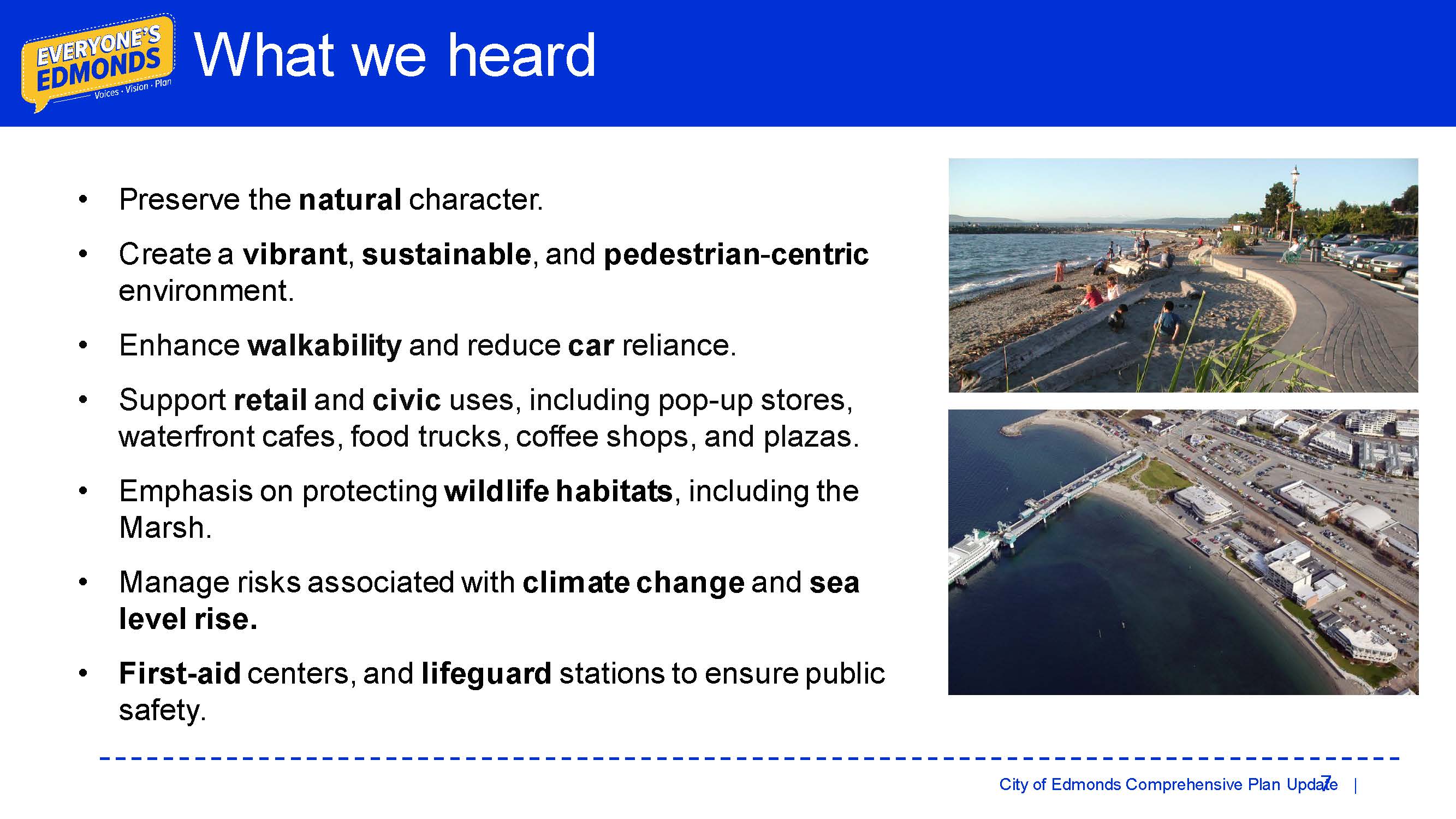
My planning experience includes serving as project manager, coordinating multidisciplinary teams, schedules, and deliverables while maintaining alignment with agency goals and community priorities. I have authored comprehensive plan elements, led climate planning efforts, and worked closely with steering committees through adoption processes and public outreach.
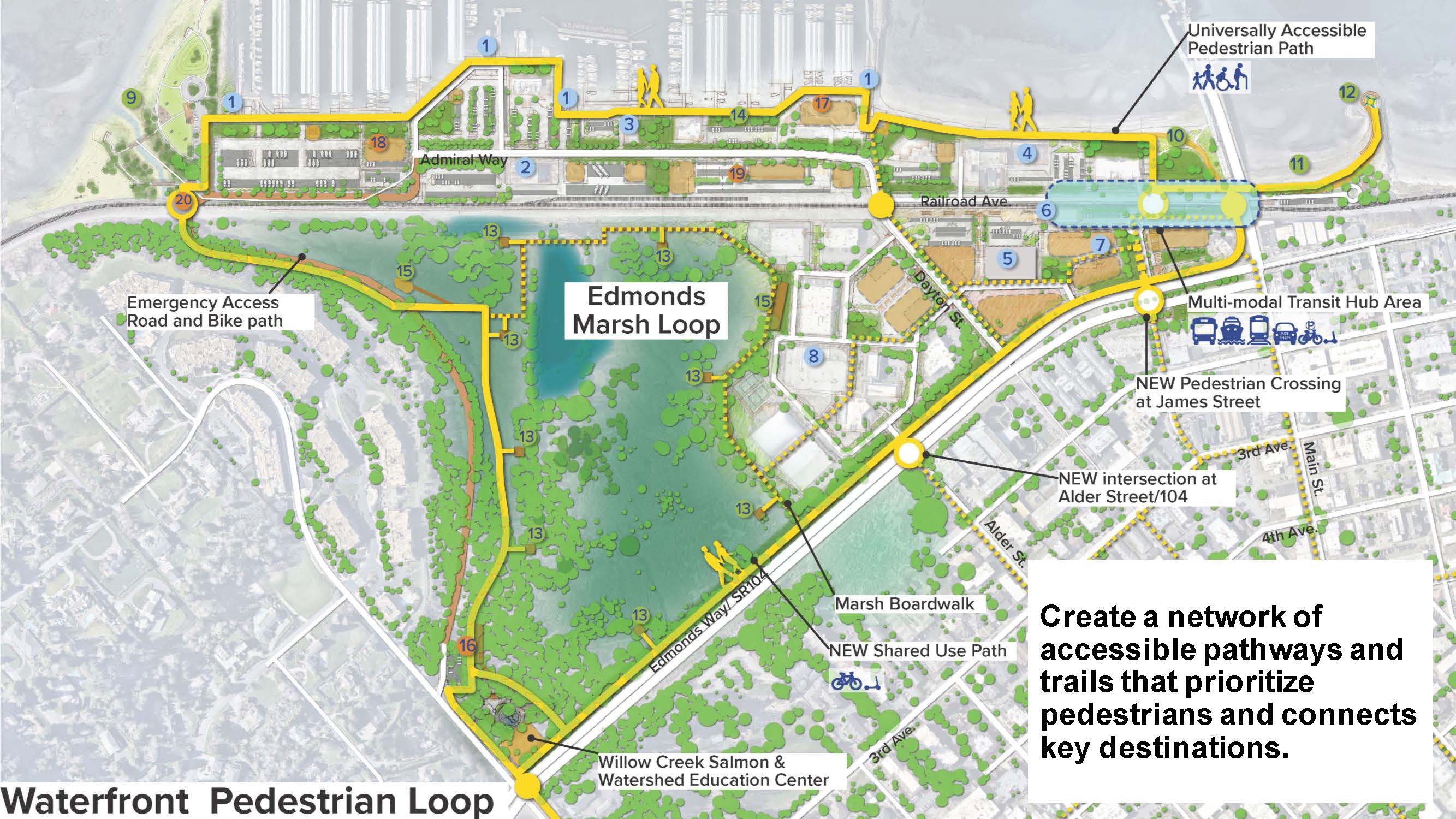
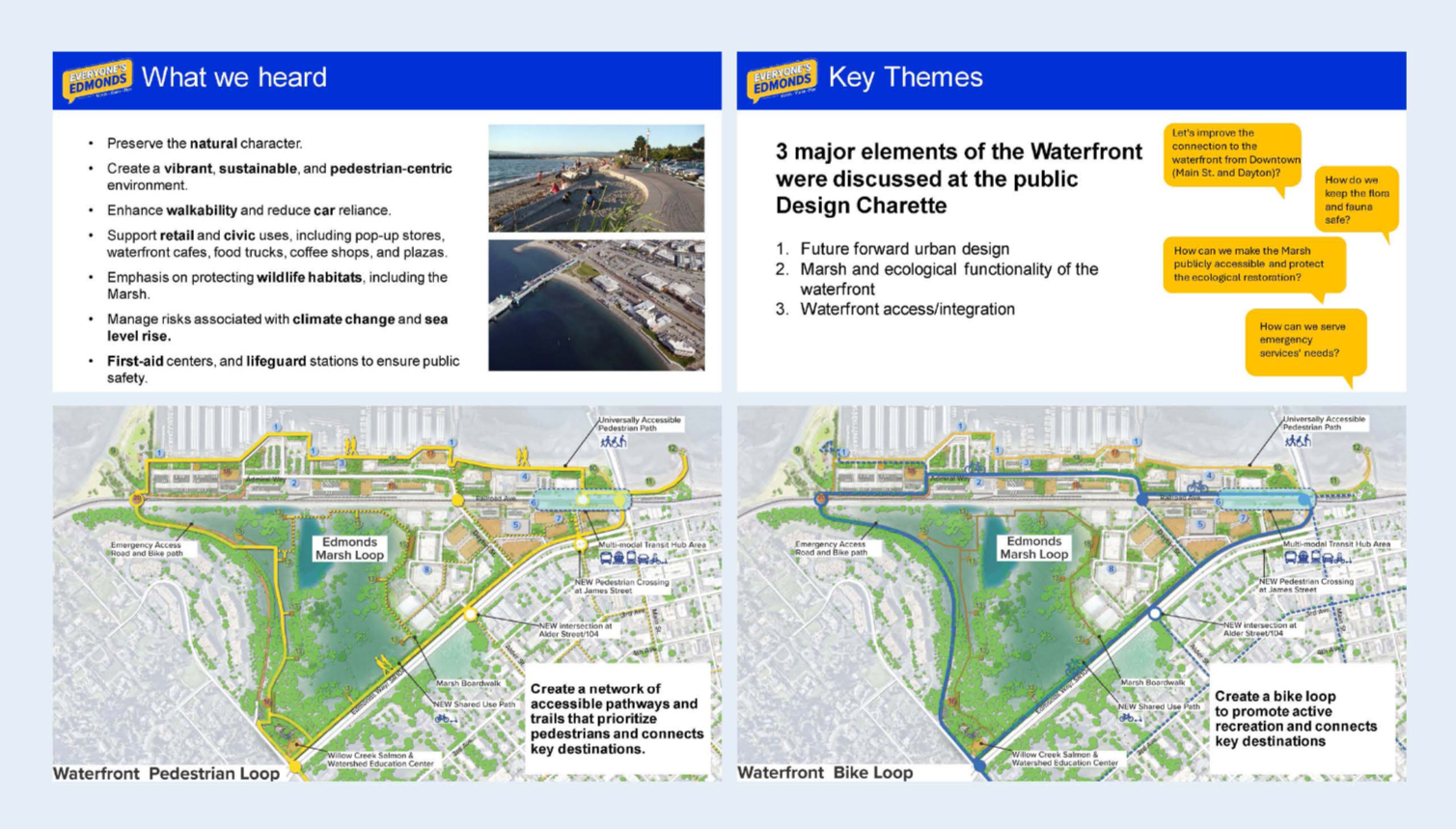
At the subarea scale, I integrate policy, land use, and mobility into clear spatial systems. Work on the Edmonds Waterfront Subarea Plan focused on developing coordinated walking, biking, and development networks that support access, connectivity, and long-term growth. I operate at the intersection of political priorities, technical requirements, and public expectations, helping projects build consensus, manage risk, and establish planning frameworks that guide investment and design well beyond adoption.
City Planning


Helping people see, evaluate, and shape change.
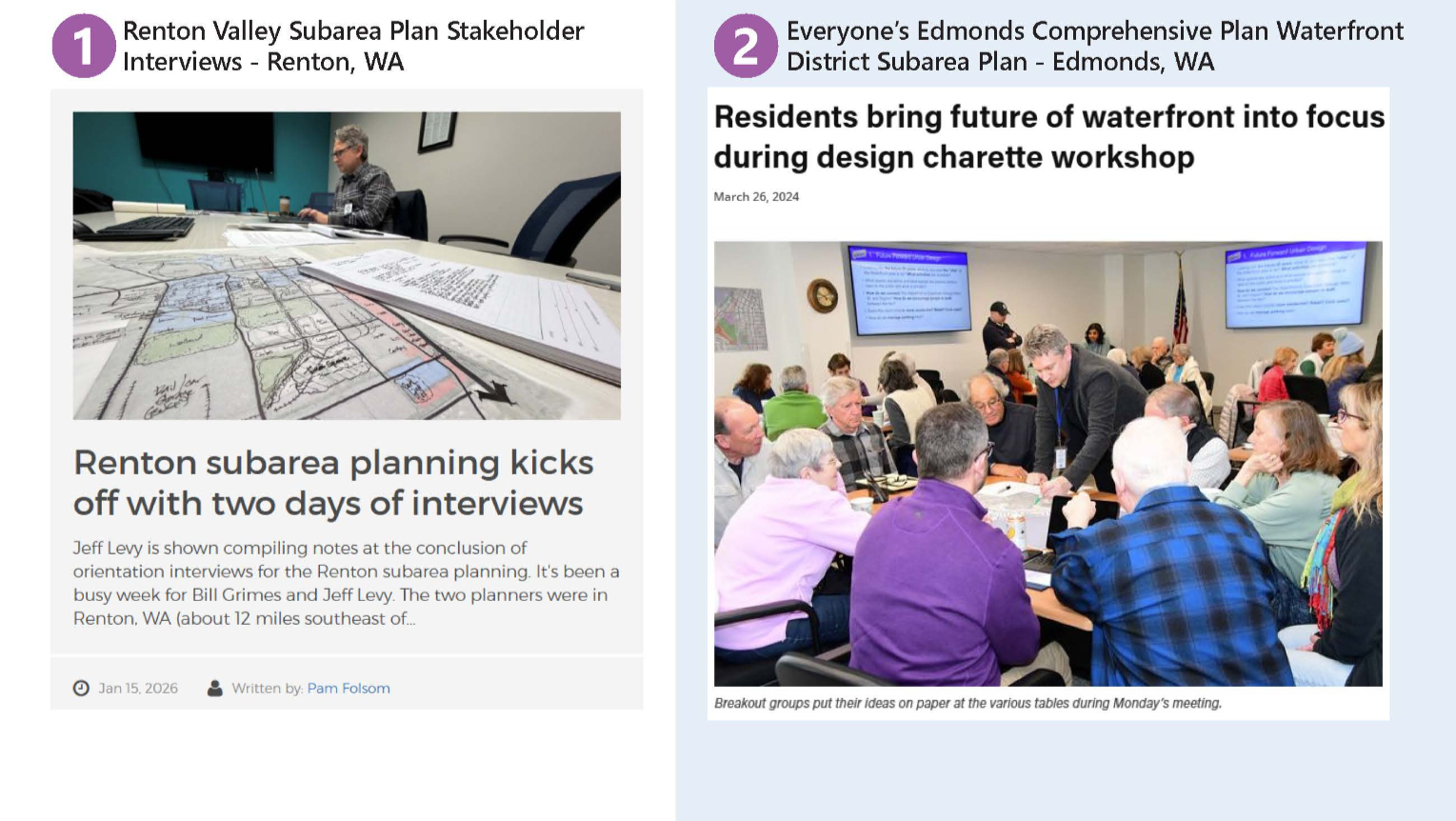
Community Outreach & Engagement




Creating spatial frameworks that align development, public space, and context.
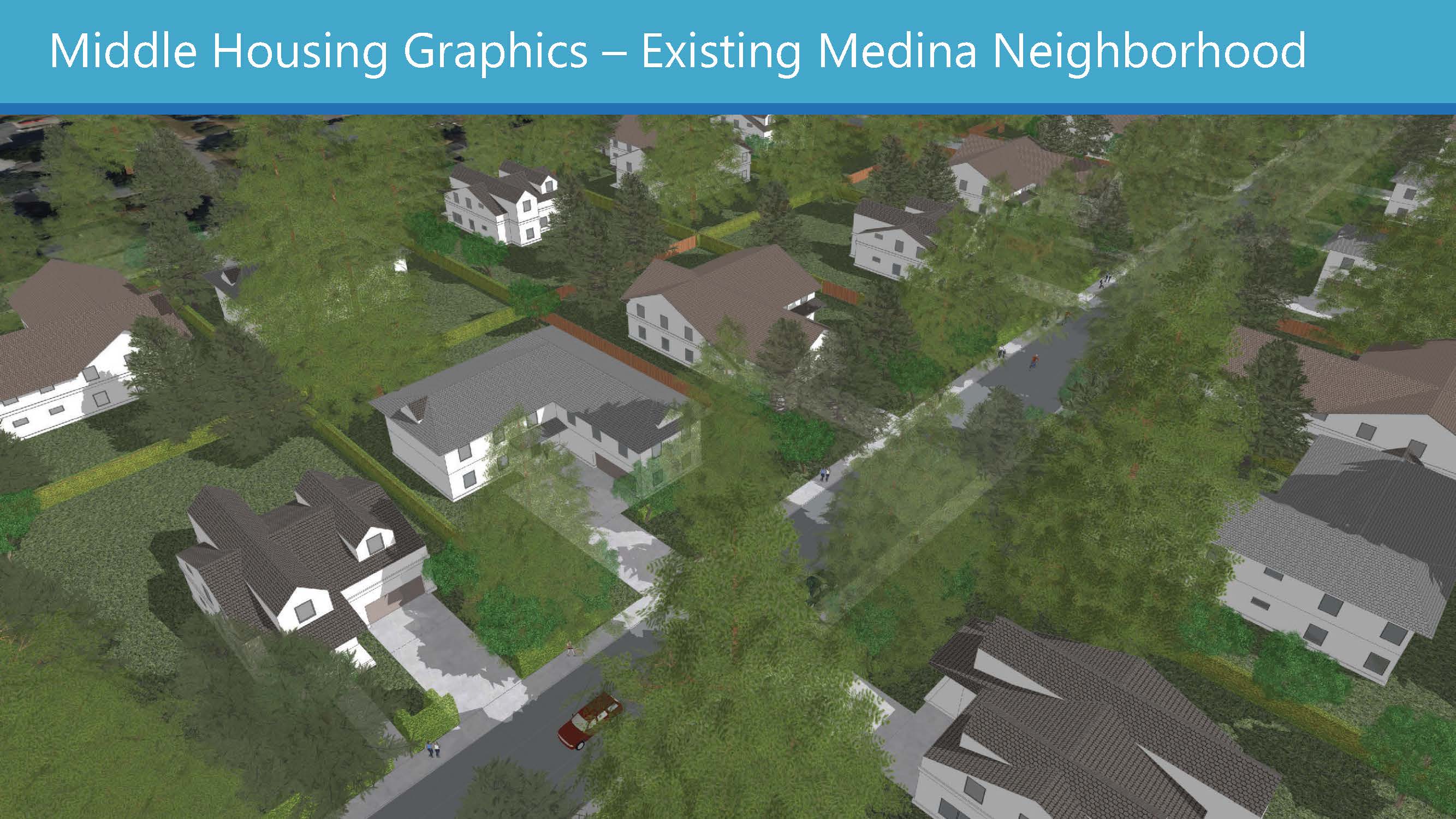
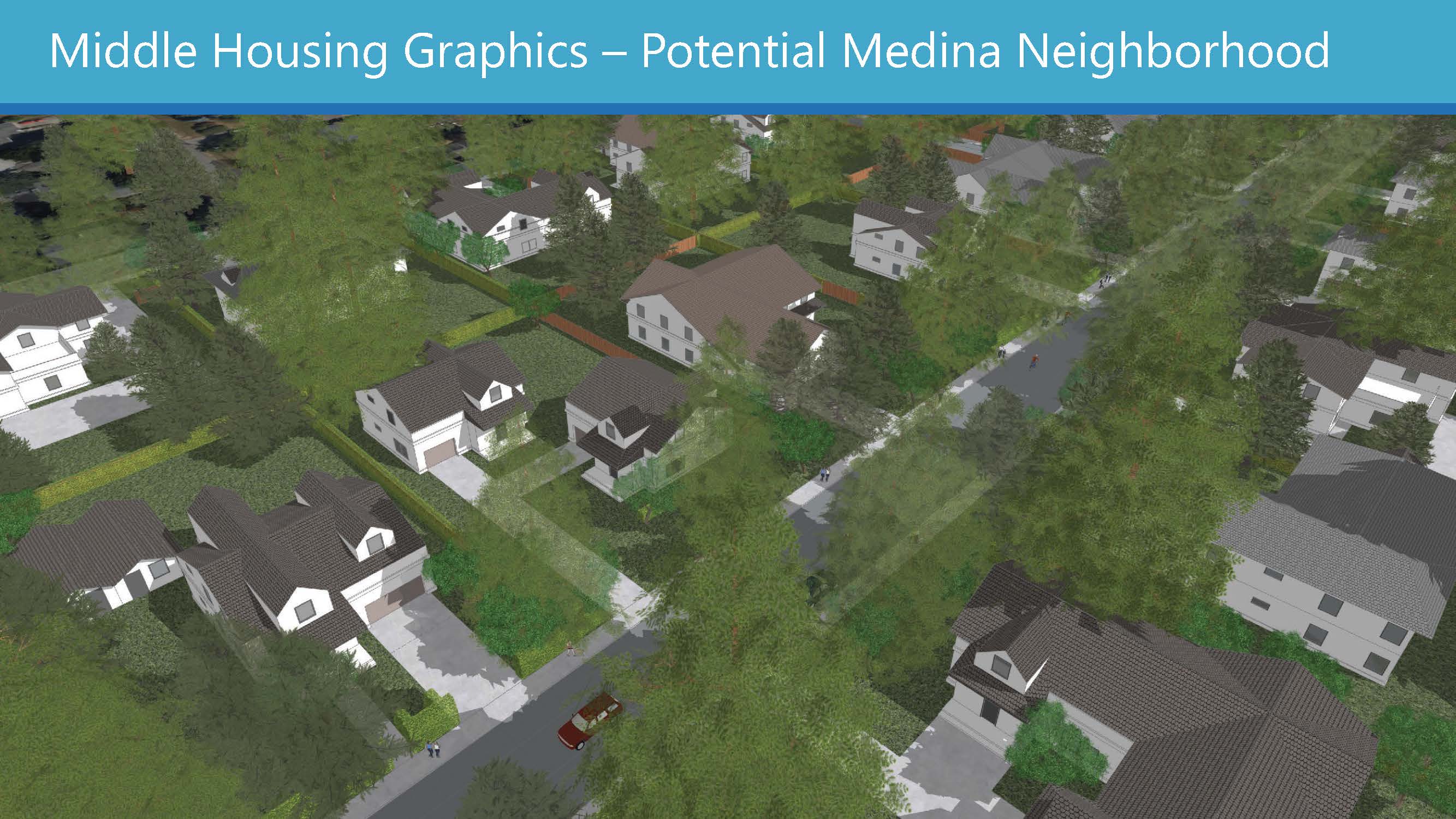
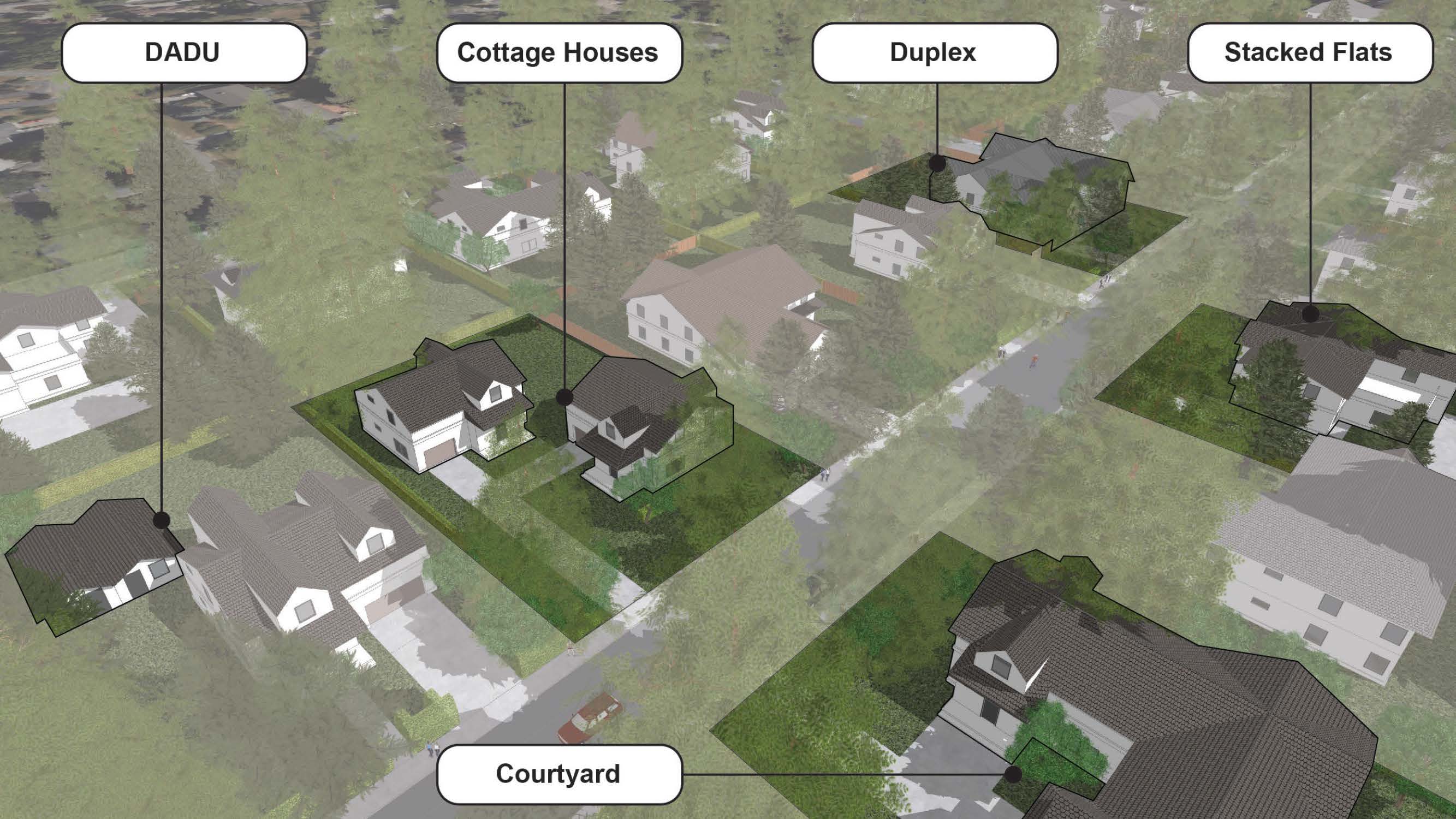
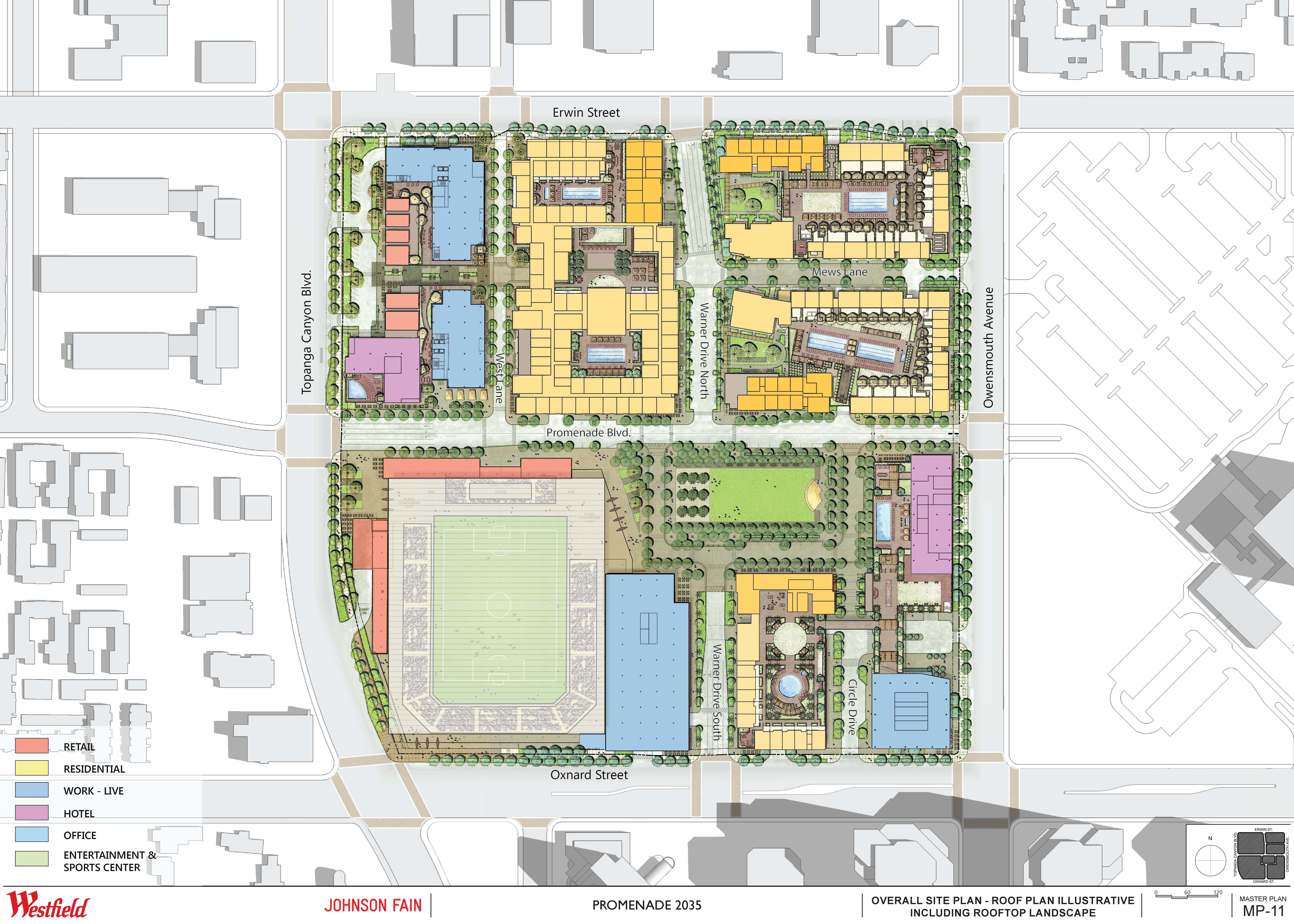
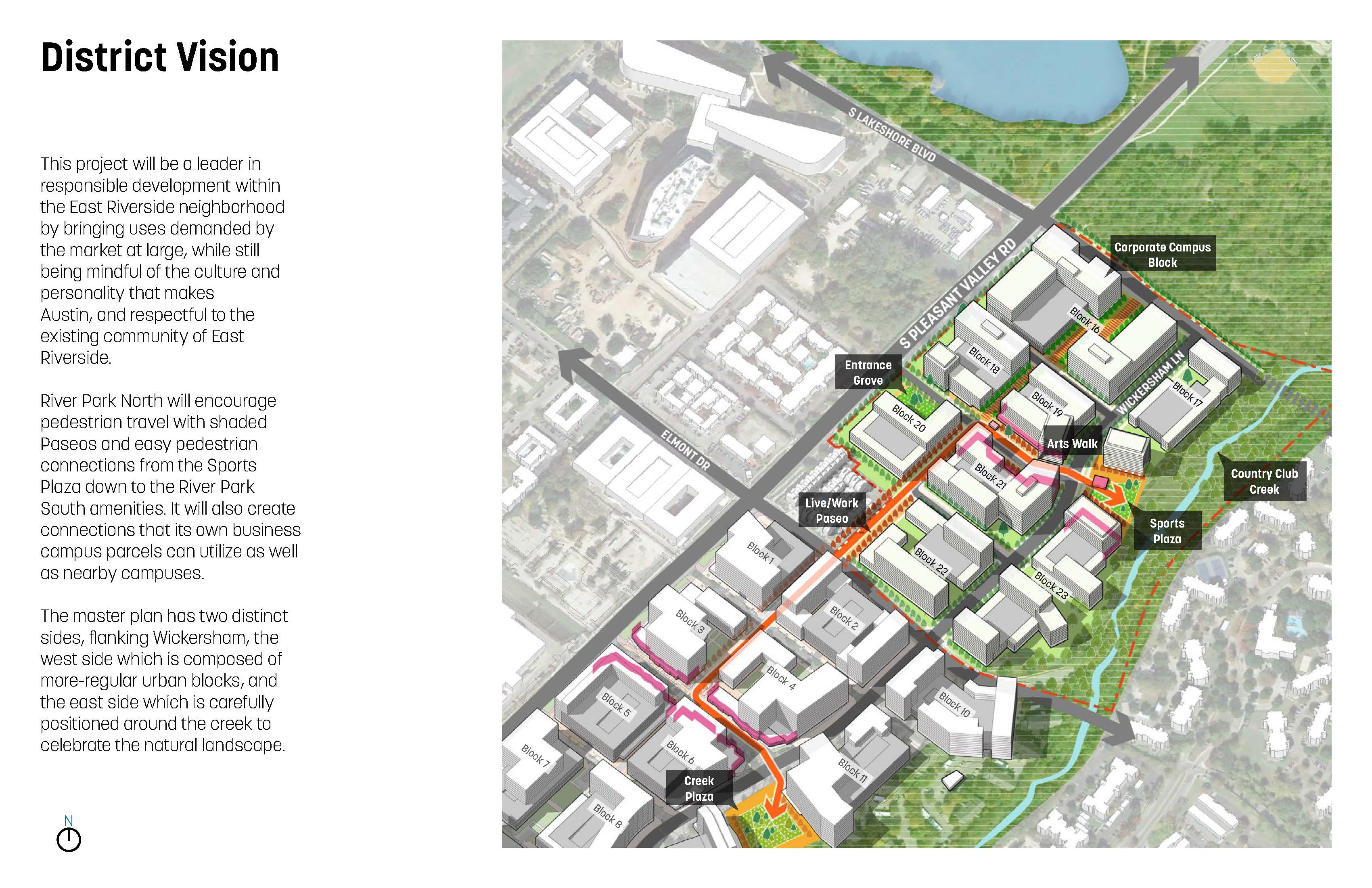
Complex sites become clear when spatial decisions are made with intent. My work demonstrates an ability to shape how buildings, open space, circulation, and context relate to one another. Massing is used strategically to test scale, intensity, and adjacency, revealing solutions that are creative, dynamic, and responsive to their surroundings.
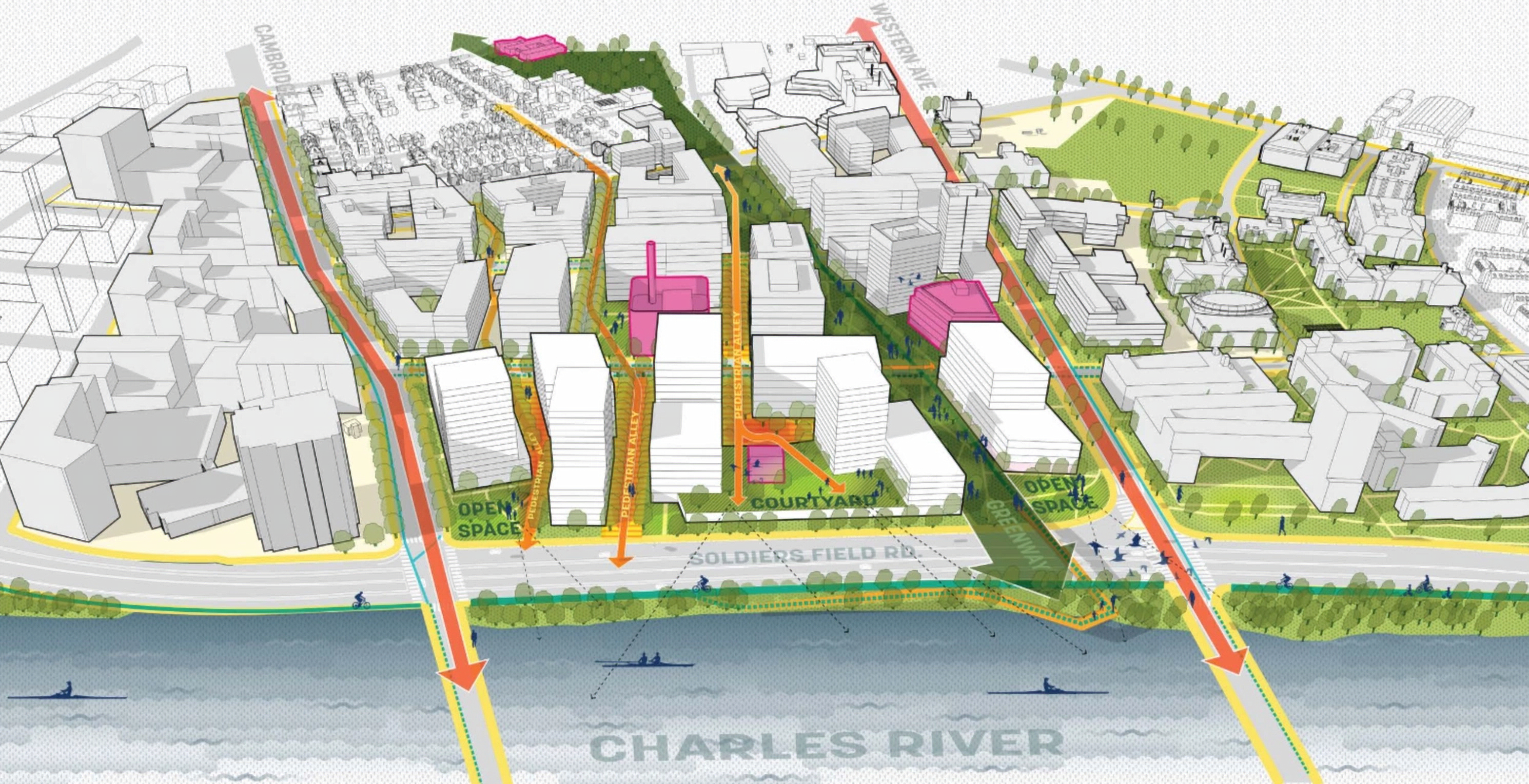
Careful calibration of placement, orientation, and height strengthens street networks, defines public space, and manages transitions across varied contexts. Plans, sections, and massing studies are used to test spatial relationships and confirm that design decisions perform at both the urban and human scale.
My work demonstrates how spatial frameworks can guide development without over-prescribing form. The result is site planning that supports strong architecture, stitched into its context, and carries design intent forward.
Site Planning & Massing


Aligning design intent with practical implementation.
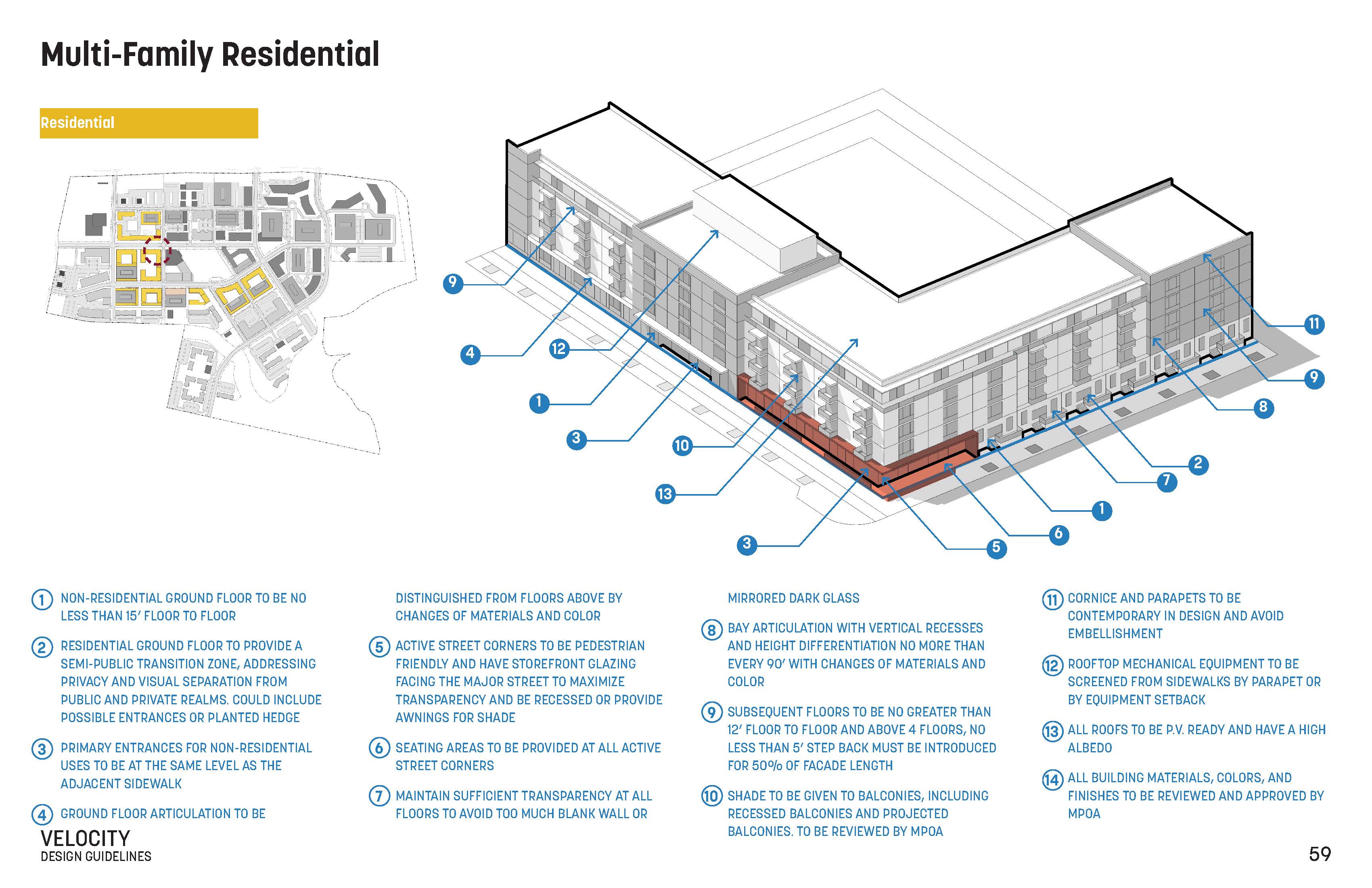
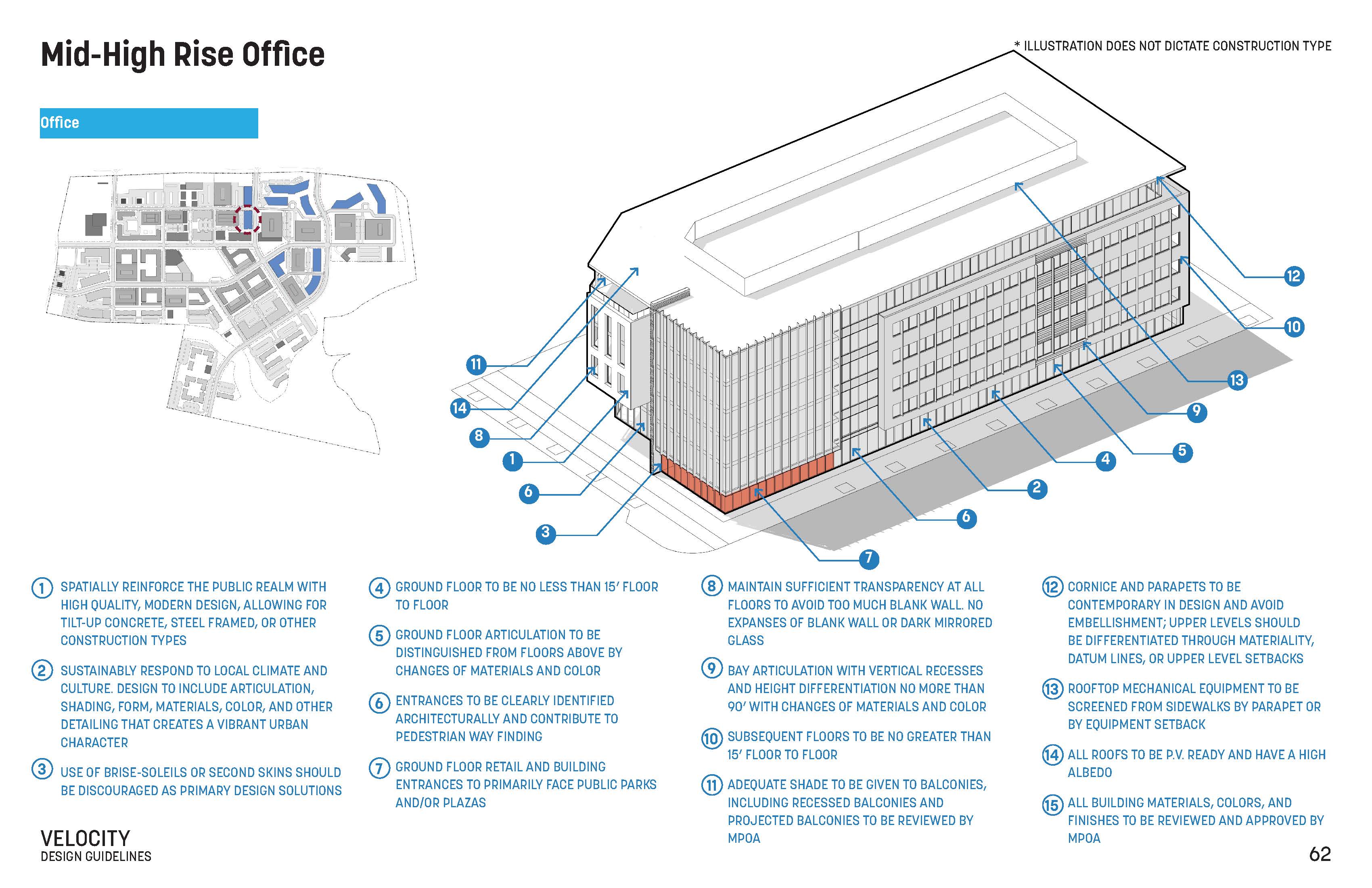
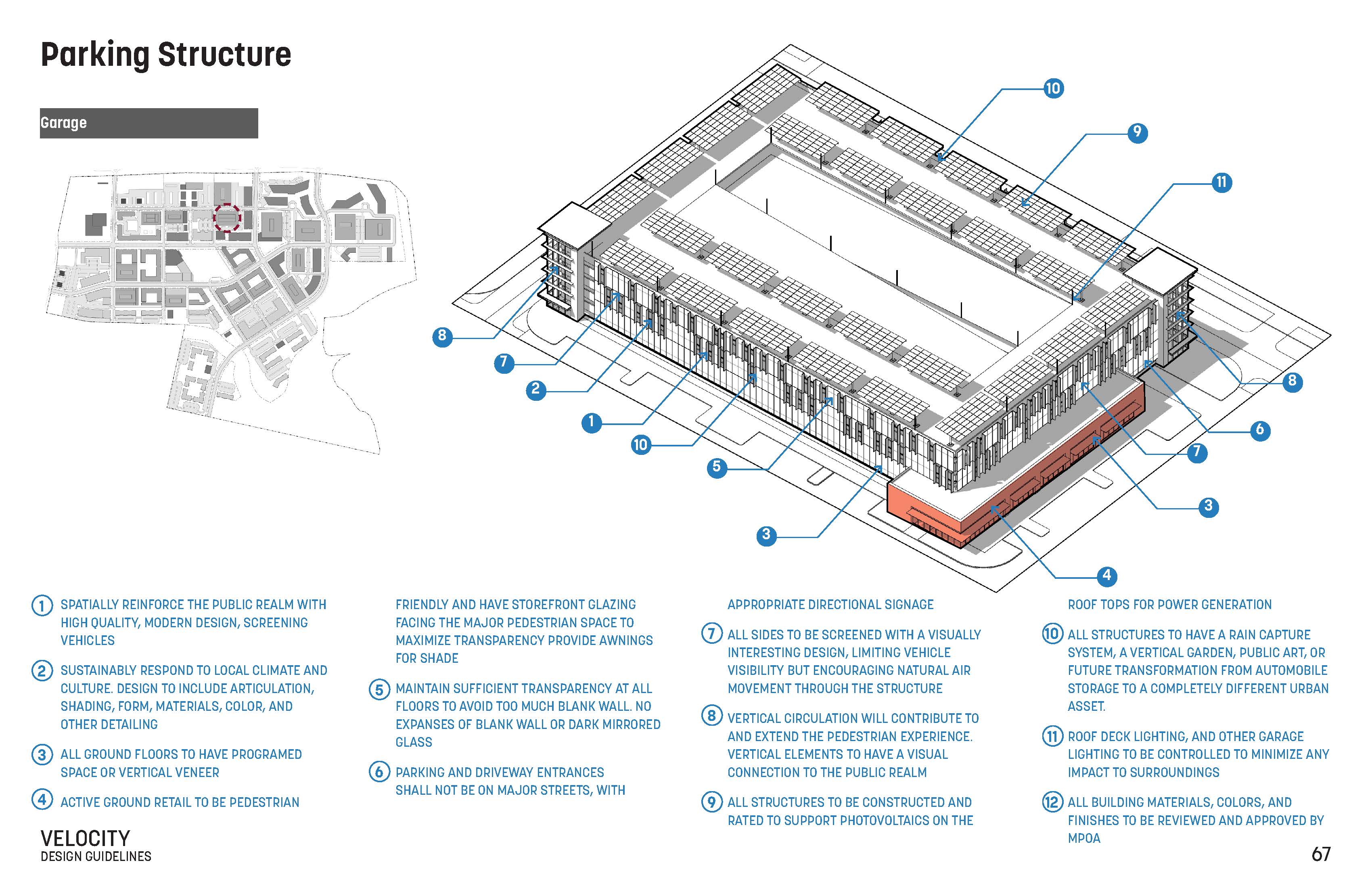
Strong projects require direction while allowing flexibility. My work demonstrates an ability to translate vision into clear design guidance that can be used by multiple teams, across phases, and under changing conditions. Frameworks and guidelines provide structure without prescribing outcomes, allowing projects to evolve while maintaining coherence.
My work demonstrates how urban frameworks can organize land use, movement, open space, and intensity into coherent systems. Clear spatial rules and hierarchies are used to test how systems interact, anticipate future conditions, and identify logical next steps. By aligning policy, design intent, and implementation, these frameworks show logic in design decisions and creates a creative solution within a city’s confines.
Design guidelines developed through this work function as practical tools, not static documents. They clearly define relationships between buildings, streets, public space, and landscape, establishing expectations for scale, massing intent, and frontage conditions. Visual standards, diagrams, and illustrative examples make guidance legible and actionable for designers and decision-makers throughout the life of a project.
Design Guidelines & Urban Framework


Changing Complexity into Clarity
I am motivated by turning complexity into clarity; ideas into vision. Urban design projects are layered with policy, infrastructure, stakeholder priorities, and economic realities, and I focus on building frameworks that allow those forces to align into a coherent spatial strategy rather than resolving them in isolation.
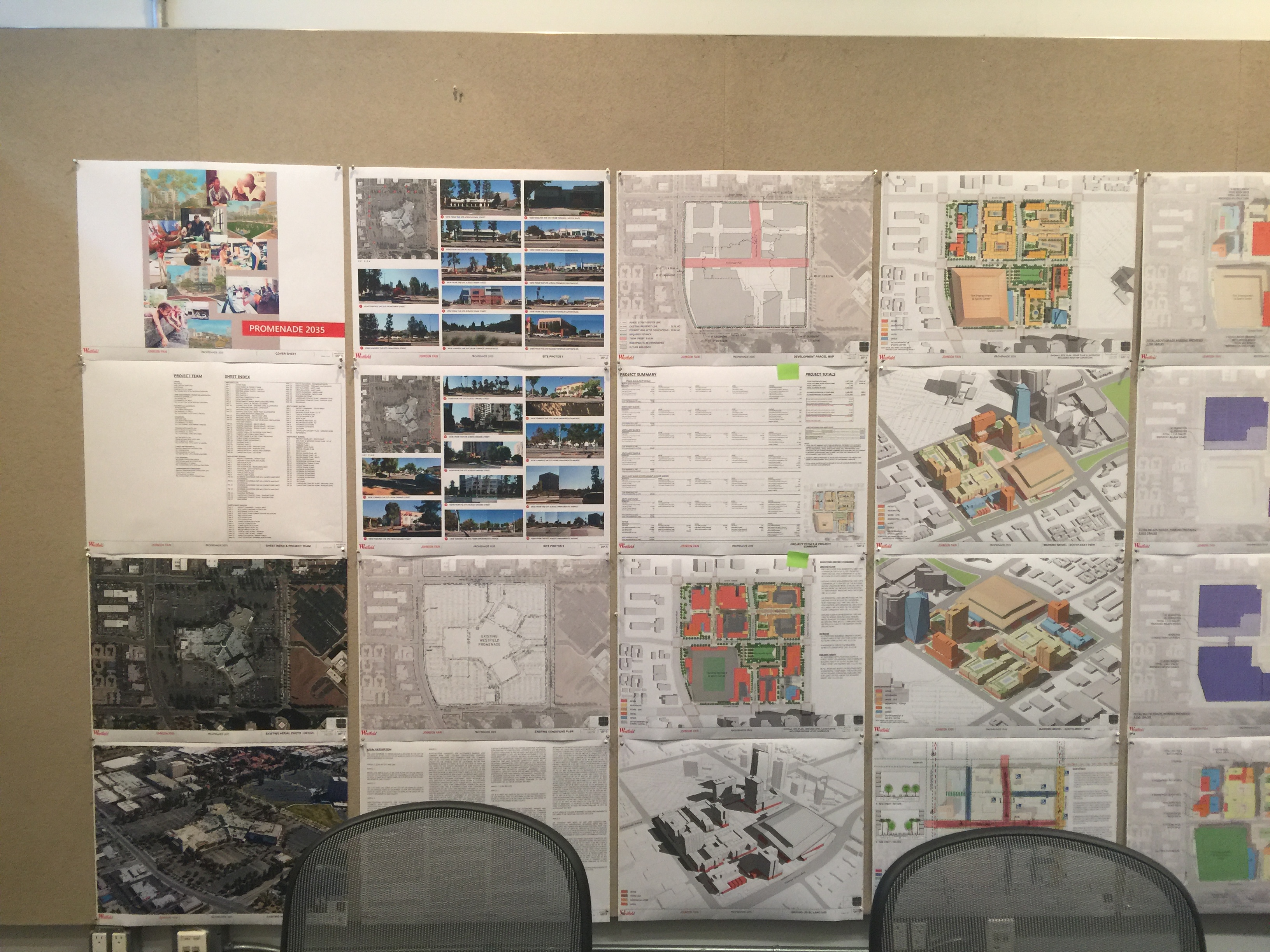
The work begins with asking the right questions and testing ideas quickly. I move fluidly between big concepts and technical detail, using diagrams, comparative studies, and three-dimensional modeling to sharpen direction and reduce uncertainty. Iteration is essential; each study builds on the last, refining assumptions and improving outcomes. I am most energized when a complicated problem reveals a clear organizing logic, one that extends beyond performance metrics to shape how a place feels and how it will age over time, as either a catalyst of change, or stitching seamlessly into the fabric of the city.
Equally important is building strong teams. As a design leader, I mentor recent hires, helping them lean into their strengths while expanding their skills and confidence. Quality is built into the workflow through clear expectations, collaboration, and shared ownership. When teams understand both the big idea and their role within it, the work improves naturally.
In a project management role, I connect design ambition to real-world delivery. Developing work breakdown structures, forecasting labor, managing invoicing, and maintaining client relationships are part of the same system that supports design quality. Aligning scope, schedule, and budget early reduces friction and allows teams to focus on meaningful work.
Ultimately, I am driven by creating work that lasts. Planning frameworks and urban design strategies often outlive their authors, so each document must communicate both the big idea and the technical logic clearly. The goal is work that remains legible, adaptable, and useful long after it leaves my desk.


Jeffrey Levy, AIA, LEED AP
jeffrey.a.levy@gmail.com
+1 (818) 577-6971